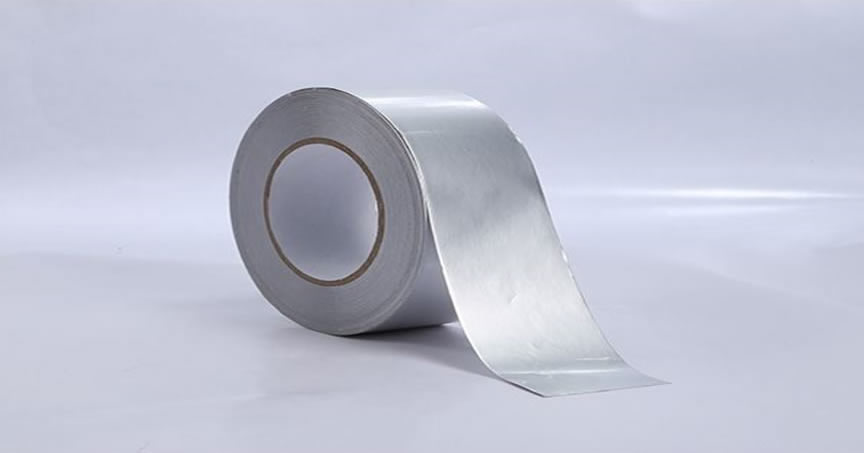
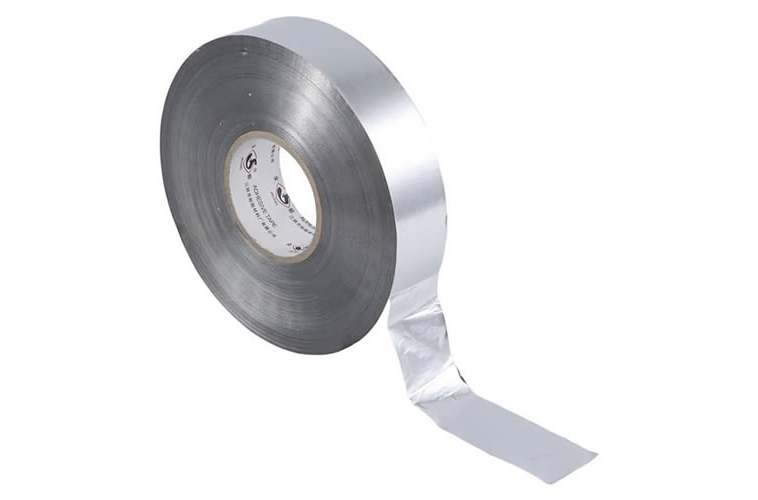
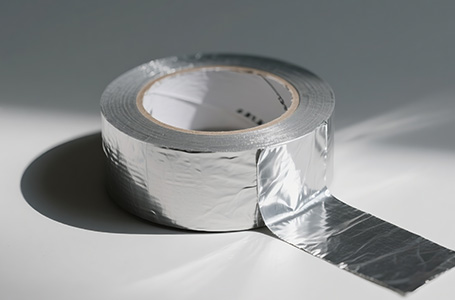
Aluminum foil tape is widely used in many emerging industries, including electronics, mobile phones, computers, LED displays, and more. However, many people are unfamiliar with it. Below, we will introduce what aluminum foil tape is, its functions, and precautions for use.
What is aluminum foil tape?
Aluminum foil tape uses high-quality pressure-sensitive adhesive, offering strong stickiness, excellent adhesion, anti-aging properties, and significantly improved thermal insulation. It is available in specifications ranging from (0.05mm-0.08mm) * various widths and lengths. This tape is used for sealing joints in aluminum foil composite materials, sealing punctures from insulation nails, and repairing damages. It is a key raw material for refrigerator and freezer manufacturers and essential for thermal insulation material distributors. It is widely applied in industries such as refrigeration, air conditioning, automobiles, petrochemicals, bridges, hotels, and electronics.
Functions of aluminum foil tape
The base material of aluminum foil tape is aluminum foil, with a high-quality pressure-sensitive adhesive layer. It provides excellent thermal insulation and effectively shields electromagnetic waves in electronic products, protecting users from harm and preventing unnecessary voltage and current from affecting device performance. It is commonly used in transformers, laptops, computers, mobile phones, PDPs, PDAs, LED displays, photocopiers, and other electronic products for electromagnetic shielding. When used on steam ducts, it prevents heat loss. Made from polyester fiber, it remains crack-resistant and undamaged even after repeated use or bending. It can be easily wrapped around cables and customized into various specifications based on customer requirements.
Precautions for using aluminum foil tape
Before applying aluminum foil tape, ensure the surface is clean and free of dust or dirt. For electronic products, avoid using water or wet cloths; instead, use a dry cloth or brush. Once cleaned, peel off the tape and apply it carefully. Due to its strong adhesive properties, ensure accurate placement before sticking, as repositioning may be difficult. After application, press firmly with your fingers several times to enhance adhesion and ensure a secure bond. If excess adhesive leaks out, carefully remove it with a blade.