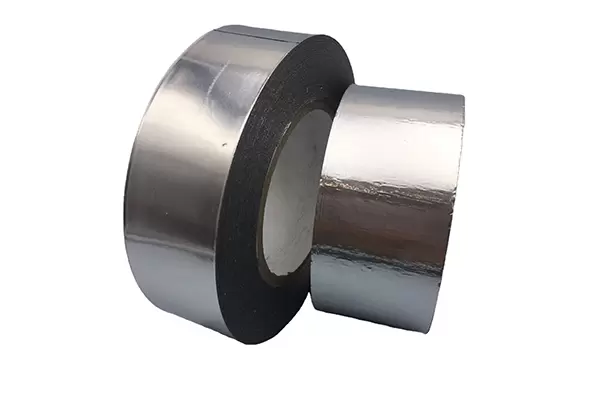
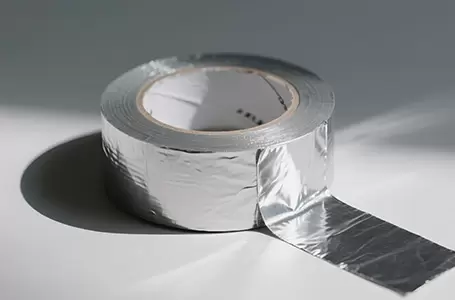
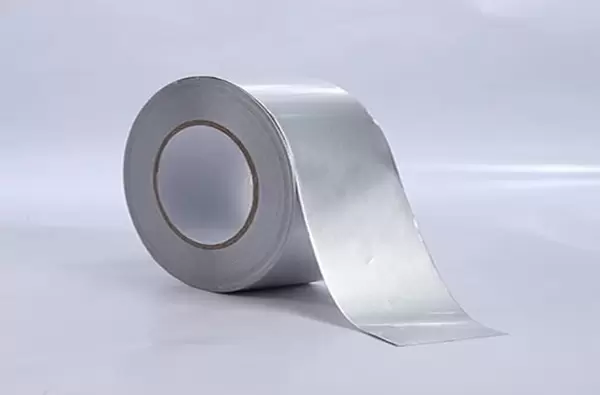
In HVAC installation and insulation projects, Aluminum Foil Tape is one of those materials that professionals rely on every single day but rarely replace once they find a reliable grade. In real-world duct sealing, pipe insulation, and thermal shielding work, a stable aluminum foil tape can directly impact energy efficiency, system durability, and installation speed.
Aluminum Foil Tape is widely used across HVAC systems because it combines strong adhesion, heat reflection, and long-term environmental resistance. For contractors, engineers, and insulation installers, it is not just a consumable—it is a functional sealing material that affects overall system performance.
Manufactured by JIN DIAO, an aluminum foil tape solutions manufacturer established in 1980, the product reflects more than 45 years of technical accumulation in tape production. With over two decades of international trade experience, the company supplies HVAC-grade adhesive tapes to Europe, Southeast Asia, Central Asia, and North America, supporting long-term industrial partnerships built on consistency and application-focused engineering.
Below are the top 10 practical uses of aluminum foil tape in HVAC and insulation systems, based on real installation scenarios.
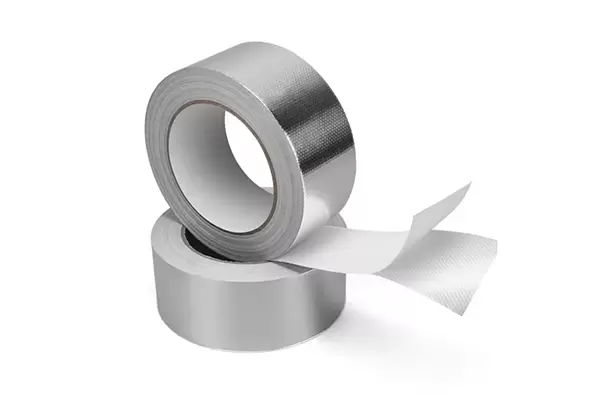
1. Sealing HVAC Duct Joints
One of the most common uses of aluminum foil tape is sealing joints between HVAC ducts.
Air leakage is a major cause of energy loss in ventilation systems. Even small gaps between duct sections can reduce airflow efficiency and increase power consumption.
Aluminum foil tape provides:
· Airtight sealing across metal duct seams
· Resistance to temperature fluctuations
· Long-term adhesion under airflow vibration
Its pressure-sensitive adhesive ensures strong bonding even on slightly uneven metal surfaces.
2. Insulating Pipe Wrapping Seams
During pipe insulation installation, seams are often weak points where heat loss or condensation occurs.
Aluminum foil tape is used to:
· Seal insulation joints on chilled water pipes
· Prevent vapor penetration into insulation layers
· Maintain insulation integrity over time
Its flexible structure allows it to conform tightly around curved pipe surfaces without lifting or cracking.
3. Vapor Barrier Sealing in Cold Systems
In refrigeration and cold storage HVAC systems, vapor control is critical.
This tape acts as a reliable vapor barrier by:
· Blocking moisture infiltration
· Preventing insulation degradation
· Reducing mold and corrosion risks
The aluminum foil layer itself is impermeable, making it suitable for high-humidity environments.
4. Reflective Thermal Insulation Enhancement
One of the key advantages of aluminum foil tape is its high reflectivity. The bright aluminum surface reflects more than 95% of radiant heat.
In insulation systems, it is used to:
· Improve thermal efficiency of insulation boards
· Reduce heat gain in duct systems
· Enhance overall energy performance
When combined with fiberglass or foam insulation, it significantly improves thermal stability.
5. Sealing HVAC Equipment Panels
HVAC units often have service panels and access covers that need sealing after maintenance.
Aluminum foil tape is applied to:
· Prevent air leakage from unit housings
· Reduce vibration noise
· Maintain internal pressure balance
Its durability ensures that repeated thermal cycling does not weaken adhesion.
6. Repairing Damaged Insulation Jackets
In field maintenance, insulation layers are often damaged due to aging or mechanical impact.
Instead of replacing entire insulation sections, technicians use aluminum foil tape to:
· Patch torn insulation surfaces
· Restore vapor barrier continuity
· Extend insulation lifespan
This makes it a cost-effective and fast repair solution in HVAC maintenance work.
7. Sealing Air Conditioning Refrigerant Lines
Refrigerant pipes require stable insulation sealing to maintain cooling efficiency.
Aluminum foil tape is used to:
· Seal insulation around copper refrigerant lines
· Prevent condensation buildup
· Reduce thermal loss during cooling cycles
Its resistance to temperature variation makes it suitable for both indoor and outdoor AC systems.
8. Protecting Outdoor HVAC Systems
Outdoor HVAC installations are exposed to UV, rain, wind, and chemical exposure.
Aluminum foil tape provides:
· UV resistance for long-term outdoor durability
· Weatherproof sealing for exposed joints
· Protection against corrosion and oxidation
JIN DIAO’s formulation includes weather-resistant adhesive systems designed for harsh environmental conditions.
9. HVAC System Noise Reduction Support
While not a primary acoustic material, aluminum foil tape contributes to noise reduction by:
· Sealing vibration gaps in ducts
· Stabilizing loose insulation layers
· Reducing airflow turbulence leakage points
In large commercial HVAC systems, this helps improve overall comfort in indoor environments.
10. Industrial and Commercial Insulation Applications
Beyond HVAC systems, aluminum foil tape is widely used in industrial insulation environments such as:
· Power plant piping systems
· Cold chain storage facilities
· Industrial boiler insulation
· Chemical plant pipeline sealing
Its chemical resistance and temperature stability make it suitable for demanding industrial conditions.
Why Aluminum Foil Tape Performs So Reliably
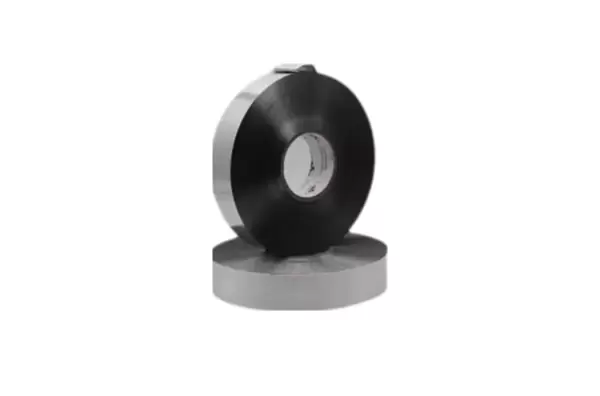
The performance of aluminum foil tape depends heavily on its structure and adhesive system. JIN DIAO manufactures its products using a multi-layer design:
· Aluminum foil substrate for heat reflection and barrier protection
· High-performance pressure-sensitive adhesive for strong bonding
· Release-treated backing for stable handling during installation
Key performance advantages include:
· High thermal reflectivity (>95%)
· Excellent moisture and vapor resistance
· UV and chemical resistance for outdoor use
· Flexible structure for irregular surfaces
· Stable adhesion across temperature changes
These characteristics make it suitable for both residential HVAC systems and large-scale industrial insulation projects.
Engineering-Driven Manufacturing Approach by JIN DIAO
As an aluminum foil tape solutions manufacturer with over 45 years of production experience, JIN DIAO focuses on application-based engineering rather than generic production.
Instead of offering one fixed specification, the company works closely with customers by:
· Analyzing HVAC application environments
· Adjusting adhesive formulations for local climate conditions
· Recommending substrate improvements for durability
· Offering customization based on insulation systems and installation methods
This engineering-first approach ensures the tape performs reliably in different global environments, from humid Southeast Asia to cold Northern climates.
The company also supports:
· Raw material customization from upstream suppliers
· Waste reduction optimization during production
· Technical consultation for HVAC installation challenges
· Fast response after-sales support and quality verification
This makes it a long-term partner for contractors and industrial distributors who require stable supply and consistent performance.
Practical Buying Insight for HVAC Professionals
For HVAC engineers and installers, selecting aluminum foil tape is not just about adhesion strength. The real evaluation factors include:
· Long-term temperature stability
· Moisture resistance in condensation-heavy environments
· Compatibility with insulation materials
· Ease of application on curved or uneven surfaces
· Durability after installation
A properly selected aluminum foil tape reduces maintenance frequency, improves system efficiency, and minimizes long-term leakage issues.
Aluminum foil tape has become an essential material in HVAC and insulation systems due to its sealing performance, thermal reflectivity, and environmental resistance. From duct sealing to industrial insulation protection, its applications directly impact system efficiency and operational reliability.
With decades of manufacturing experience, JIN DIAO continues to provide application-driven aluminum foil tape solutions designed for real-world HVAC challenges. For contractors, distributors, and industrial users, choosing a stable and well-engineered tape is not just a material decision—it is a long-term system performance decision.
 WhatsApp