In today’s manufacturing and logistics environments, adhesive tape is no longer a simple packaging accessory. It plays a structural, protective, and performance-critical role across industries. Among the most widely used materials is BOPP tape—valued for its strength, clarity, and cost-efficiency. But not all BOPP tapes are created equal.
This article takes a practical look at what BOPP tape is, where it performs best, how composite upgrades like BOPP/PET improve performance, and how it compares to specialized products such as MOPP tape. Drawing on years of manufacturing expertise, JIN DIAO continues to refine BOPP and composite tape solutions for demanding industrial applications.
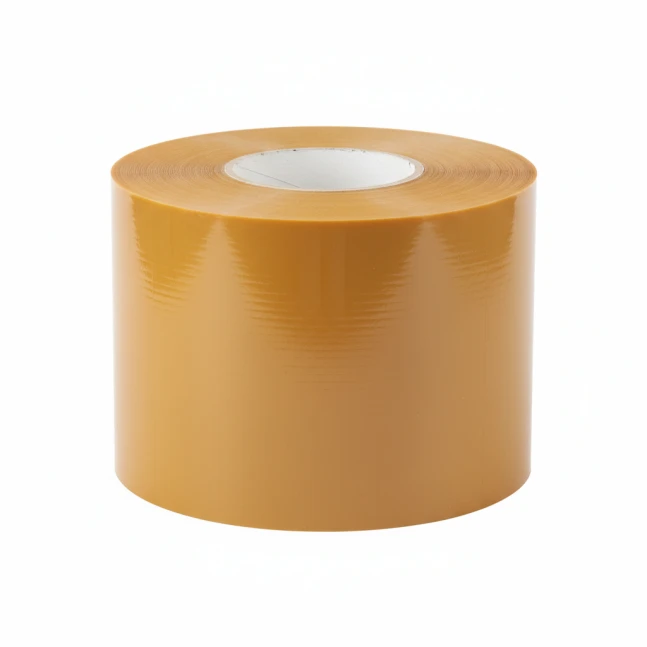
What Is BOPP Tape?
BOPP stands for Biaxially Oriented Polypropylene. The film is produced by stretching polypropylene (PP) in both machine direction (MD) and transverse direction (TD). This biaxial stretching creates a balanced molecular structure that enhances tensile strength, dimensional stability, and surface clarity.
A typical BOPP tape structure includes:
The result is a transparent, glossy tape with excellent mechanical strength and weather resistance.
Core Properties That Make BOPP Tape Popular
1. High Transparency and Gloss
Clear BOPP film provides excellent optical clarity. It protects cartons, labels, and printed surfaces without obscuring branding or product information. For retail and export packaging, this clarity is critical.
2. Excellent Weatherability
Quality BOPP tape resists UV exposure, moisture, and moderate temperature fluctuations. It avoids rapid yellowing and maintains structural integrity over time, making it suitable for both indoor storage and extended shipping cycles.
3. High Tensile Strength and Tear Resistance
Because the PP molecules are stretched in two directions, BOPP tape offers balanced strength. It resists tearing during application and handling, reducing the risk of packaging failure.
4. Good Dimensional Stability
Unlike lower-grade films that shrink or deform, properly manufactured BOPP maintains stable dimensions. This ensures reliable adhesion even when environmental conditions change.
Upgrading Performance: BOPP/PET Composite Technology
Standard mono-layer BOPP performs well in general packaging. However, for more demanding applications, composite construction provides additional benefits.
A BOPP/PET composite tape combines:
This dual-polymer structure creates synergy between flexibility and stiffness. Compared to single-layer BOPP, composite tape delivers:
Improved thermal resistance
Reduced shrinkage at elevated temperatures
Higher abrasion resistance
Greater chemical stability
For technical specifications and structural details, refer to the official product page:
<a href="https://www.cn-aluminumtape.com/BOPP-tape/BOPPPETCompositeTapeManufacturerChinaJINDIAOCo.html">BOPP/PET Composite Tape Manufacturer China JIN DIAO Co.</a>
In logistics environments where cartons may be dragged, stacked, or subjected to vibration, abrasion resistance becomes a key performance metric. Composite construction significantly reduces surface wear and breakage.
Adhesive Systems: Acrylic vs Rubber
Performance is not determined by film alone. Adhesive formulation is equally important.
Acrylic Adhesive
Acrylic systems are commonly used for carton sealing and long-distance export packaging.
Rubber-Based Adhesive
Rubber adhesives are often selected for appliance internal fixation, temporary holding, and industrial protection applications.
The adhesive’s cohesion must exceed the interface bonding strength to avoid residue upon removal. Proper formulation ensures clean removal without ghosting or plastic surface discoloration.
Real-World Applications of BOPP Tape
1. Carton Sealing and Export Packaging
The most common application. High tensile strength prevents splitting under heavy load. Transparency preserves printed information.
2. Logistics Reinforcement
For shipments exposed to friction, stacking pressure, and vibration, abrasion-resistant composite BOPP tape reduces surface damage.
3. Surface Protection
Clear BOPP can temporarily protect metal panels, plastic housings, and decorative surfaces during assembly.
4. Appliance Industry Support Applications
While BOPP is widely used in packaging, more rigid fixation inside appliances often requires different material structures.
BOPP vs MOPP: Understanding the Differences
In appliance manufacturing—particularly refrigerator internal component fixation—MOPP tape has become dominant.
Structural Difference
Because MOPP’s molecular chains are highly oriented in a single direction, it exhibits:
In transport scenarios involving vibration and impact, a tape with higher elongation (such as standard PVC, PE, or lower-grade BOPP) may stretch, allowing internal components to shift. MOPP behaves more like a strapping band—locking parts in place.
Why BOPP Still Matters
While MOPP is ideal for rigid fixation, BOPP offers:
For external packaging and protective applications, BOPP remains more versatile and cost-efficient.
The key is matching tape structure to mechanical demand.
Quality Differences in BOPP: What Separates Premium from Low-Grade?
Not all BOPP tapes perform equally. Differences arise from:
1. Raw Material Quality
Inferior PP resin leads to inconsistent stretching behavior and weaker molecular orientation.
2. Stretching Ratio and Heat Setting
Insufficient stretching reduces tensile strength. Poor heat stabilization results in shrinkage and curling.
3. Corona Treatment Level (Dyne Value)
Inadequate surface treatment reduces adhesive anchoring strength.
4. Coating Control
Excess adhesive may cause residue; insufficient coating leads to poor holding power.
5. Aging Stability
Improper drying temperatures can damage adhesive molecular chains, accelerating aging.
Premium manufacturers conduct:
This systematic quality control ensures consistency across batches.
Environmental Adaptability
In real shipping conditions, tapes may encounter:
A high-quality BOPP or composite tape maintains structural stability without brittle cracking or excessive softening. Rubber adhesives with low glass transition temperatures continue performing even around -30°C.
Stability across temperature cycles directly affects process reliability.
Manufacturing Discipline: Why Process Control Matters
Even the best raw materials can fail without proper processing control.
Key production parameters include:
Adhesive coating weight
Oven temperature stability
Molecular chain preservation during drying
Master roll inspection frequency
Each production batch must undergo repeated sampling tests to prevent variation. Stable coating ensures long-term holding power without excessive adhesion that causes residue.
When to Choose BOPP Composite Over Standard BOPP
Select composite construction if your application involves:
For standard carton sealing in normal conditions, mono-layer BOPP is sufficient. For industrial transport stress, composite provides measurable durability gains.
Final Thoughts
BOPP tape remains a foundational material in packaging and industrial protection. However, real performance depends on molecular orientation quality, adhesive formulation, and production control discipline.
Composite BOPP/PET structures push the limits further—improving heat stability, abrasion resistance, and chemical durability.
At JIN DIAO, attention to raw materials, in-process inspection, and finished product verification ensures consistent, application-specific solutions. Whether used in logistics reinforcement or industrial protection, properly engineered BOPP tape delivers dependable results when matched correctly to the task.
Understanding structural differences—such as BOPP versus MOPP—helps engineers and buyers choose the right tape for each scenario, rather than relying on appearance alone.

 WhatsApp