In many engineering projects, tape is often considered a secondary material. However, in real-world applications, a significant number of system failures can be traced back to inconsistent tape performance. For engineers, the key concern is not just whether a tape adheres initially, but whether it can maintain consistent performance under complex environmental conditions over time.
The true value of high-performance aluminum foil tape lies not in short-term adhesion, but in its long-term reliability under thermal cycling, humidity exposure, and mechanical stress.
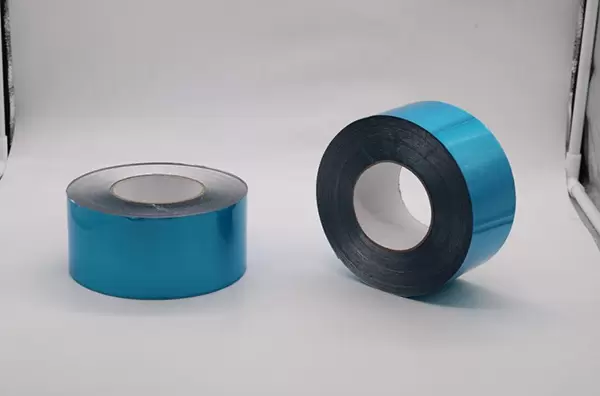
1. Real-World Performance: Failure vs. Stability
In practical applications, the differences between tape types often emerge after weeks or months of use. Common failure modes include:
· Strong initial adhesion, followed by edge lifting over time
· Adhesive aging, leading to hardening or flow
· Wrinkling of the foil surface, compromising sealing integrity
These issues are rarely caused by installation errors, but rather by material degradation under environmental stress.
By contrast, high-performance aluminum foil tape demonstrates:
· Stable adhesion under temperature fluctuations
· No adhesive migration in high-humidity environments
· Long-term flatness without curling or wrinkling
This stability directly reduces unexpected failure risks in critical systems.
For more product details, visit
<a href="https://www.cn-aluminumtape.com/aluminum-foil-tape/">Aluminum Foil Tape</a>
2. Technology Fundamentals: Structure Determines Performance Limits
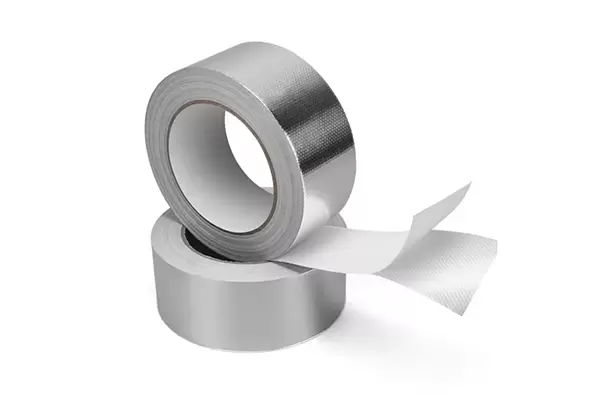
From a material engineering perspective, aluminum foil tape performance is defined by two key components: foil substrate and adhesive system.
Aluminum Foil Substrate
The foil is not just a surface layer—it plays multiple functional roles:
· Provides structural stability and resists deformation
· Forms a continuous barrier against moisture and gases
· Reflects radiant heat, reducing thermal transfer
Compared with polymer-based materials, aluminum foil maintains its structural integrity better over time, especially under thermal and environmental stress.
Adhesive System
High-performance aluminum foil tapes typically use modified acrylic adhesives, offering:
· Stable molecular structure resistant to thermal degradation
· Strong wetting and bonding on various substrates
· High internal cohesion for clean removal without residue
This combination ensures a balance between adhesion strength and long-term durability.
3. Data-Driven Performance: Quantifying Stability
In engineering applications, performance must be measurable. High-performance aluminum foil tape typically delivers:
· Thermal Reflectivity: >95%
· Temperature Resistance: -30°C to 120°C (up to 200°C short-term)
· Adhesion Strength: 15–25 N/25mm with long-term stability
· Moisture Barrier: Near-zero vapor transmission
· UV Resistance: No significant degradation over time
· Dimensional Stability: No shrinkage or deformation
Compared to standard tapes:
· Adhesion drops significantly at elevated temperatures
· Materials become brittle in low temperatures
· Aging leads to cracking or adhesive failure
The key difference is that high-performance tape shows minimal performance variation over time, which is critical for reliable engineering systems.
4. Engineering Insight: From “Usable” to “Reliable”
In many projects, tape selection is based on short-term testing, overlooking long-term behavior. This often leads to:
· Acceptable initial performance but frequent maintenance later
· Gradual efficiency loss without clear root causes
· Local failures triggering larger system issues
These problems share a common cause: unpredictable material degradation.
High-performance aluminum foil tape addresses this by:
· Maintaining consistent performance across environments
· Reducing uncertainty caused by material failure
· Delivering predictable long-term behavior
From an engineering perspective, this results in:
· Lower maintenance frequency
· More stable system operation
· Better lifecycle cost control
This is why experienced engineers increasingly prioritize long-term reliability over short-term cost savings.
For more technical information, visit
<a href="https://www.cn-aluminumtape.com/aluminum-foil-tape/">Aluminum Foil Tape</a>
The value of high-performance aluminum foil tape is not defined at the moment of application, but over the course of its service life.
As engineering environments become more demanding, material selection plays a critical role in system reliability. Choosing a tape with high stability and low failure risk is essentially a way to minimize system uncertainty.
For engineers, what matters most is not the material itself, but its contribution to overall system reliability.


 WhatsApp