Aluminum foil tape is often used in applications where sealing materials must remain stable despite changes in temperature, sunlight exposure, and long-term environmental stress. In refrigeration systems, HVAC ductwork, thermal insulation, and transportation fire protection, the tape may need to maintain adhesion while the surrounding materials expand, contract, or experience repeated heating and cooling. Choosing a suitable tape therefore requires more than checking its initial adhesive strength.
Weather resistance depends on several factors, including the aluminum foil substrate, adhesive formulation, release liner, installation conditions, and storage environment. Understanding how these elements work together helps buyers select products that match the actual service conditions rather than relying on general descriptions such as high-temperature resistant or weatherproof.
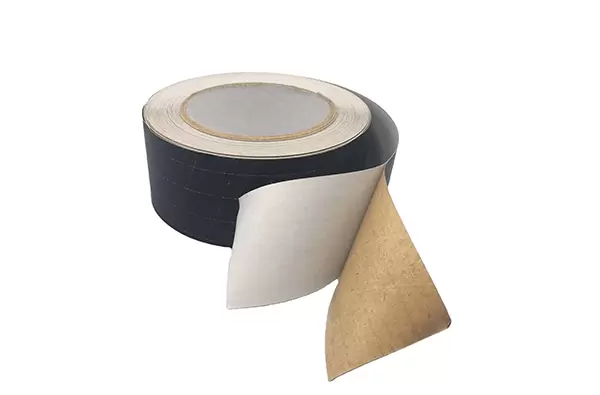
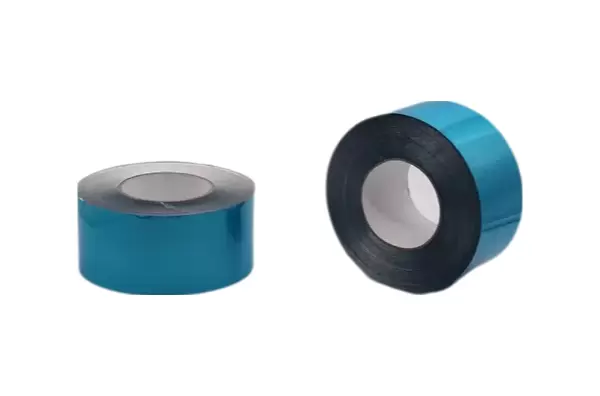
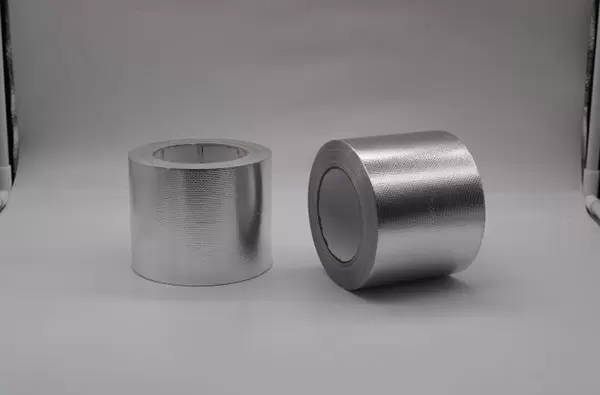
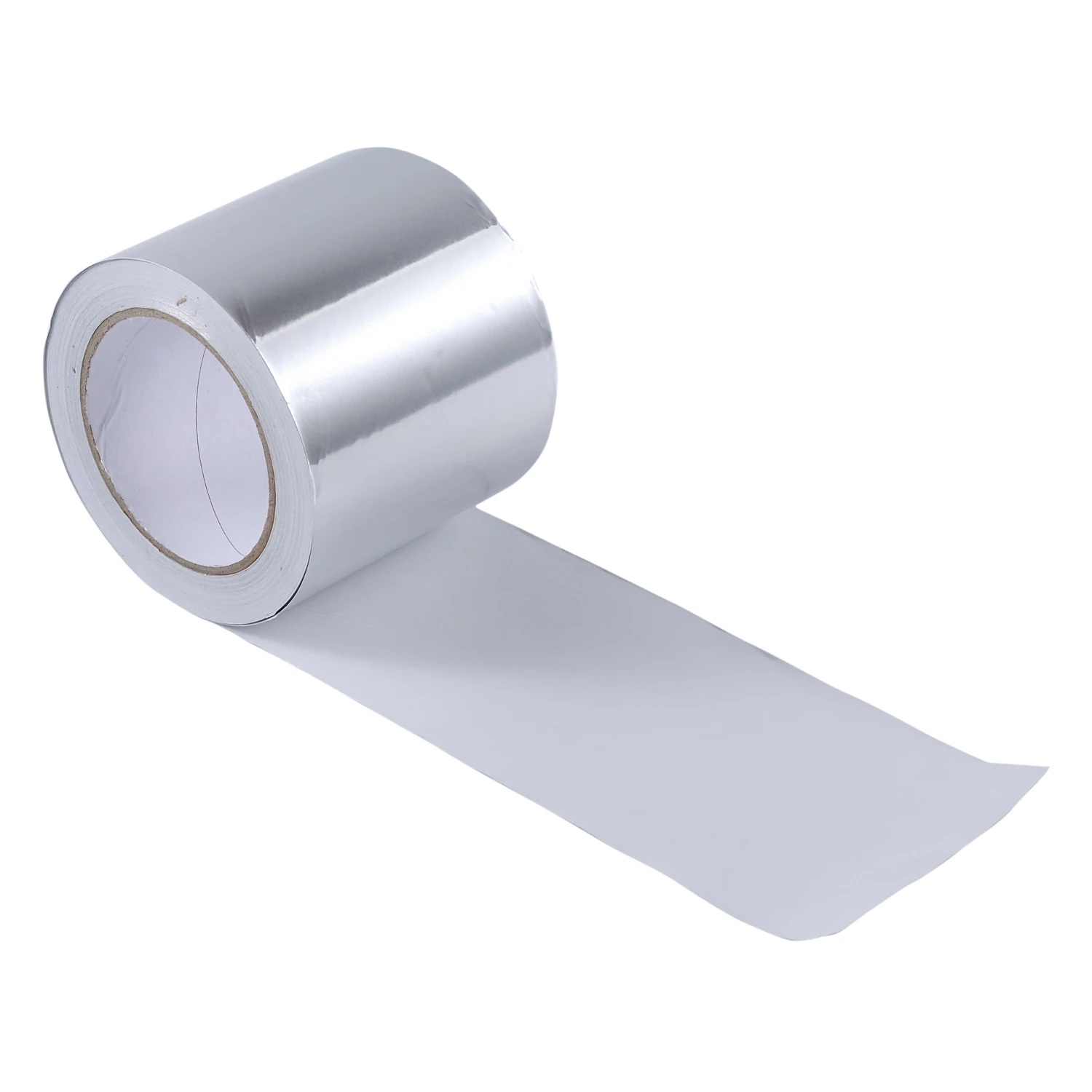
For industrial sealing and insulation applications, Aluminum Foil Tape with Release Paper Liner offers a construction that combines aluminum foil, pressure-sensitive adhesive, and a release-treated backing material. Its performance characteristics make it worth evaluating for applications that require environmental resistance, convenient handling, and different adhesive options.
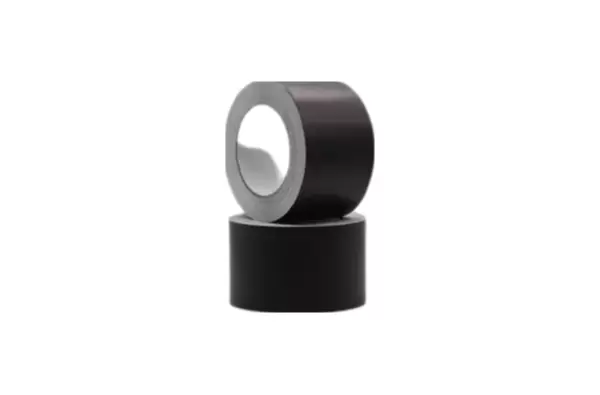
1. How Aluminum Foil Tape Resists Weather Exposure
Aluminum foil provides the tape with a metallic surface that contributes to its thermal conductivity and resistance to environmental exposure. Unlike a tape made entirely from a polymer film, aluminum foil tape has a metal substrate that can serve as a functional layer in insulation and sealing assemblies.
However, the weather resistance of a finished tape cannot be determined by the foil alone. The adhesive must maintain sufficient contact with the application surface, and the complete tape construction must remain suitable for the operating environment.
Three environmental factors deserve particular attention:
l UV exposure: Direct sunlight can affect exposed tape surfaces and may contribute to changes in the adhesive or other components over time.
l Temperature fluctuations: Repeated heating and cooling can influence adhesive behavior, dimensional stability, and the bond between the tape and the substrate.
l Aging: Long-term exposure to heat, oxygen, humidity, and other environmental conditions may gradually change the tape's physical properties.
Aluminum foil tape is commonly selected because the metal backing offers useful environmental and thermal characteristics. Nevertheless, the expected service life depends on the specific adhesive, application surface, exposure conditions, and installation quality.
For procurement teams, the practical question is not simply whether a tape resists weathering, but whether the complete product can maintain its intended function throughout the required service period.
2. UV Resistance: What Buyers Should Evaluate
Ultraviolet radiation is an important consideration when tape is installed near windows, on exposed equipment, or in locations that receive direct sunlight. UV exposure may affect the adhesive system and other components, even when the aluminum surface itself remains visually intact.
Aluminum foil offers a metallic outer layer that helps shield the adhesive from direct exposure on the foil-facing side. However, this does not automatically establish that every aluminum foil tape is suitable for prolonged outdoor use. The edges, exposed adhesive areas, joints, and installation interfaces can still be affected by environmental conditions.
When evaluating UV resistance, buyers should consider the following questions:
l Will the tape be installed indoors, outdoors, or in a partially exposed location?
l Will sunlight reach the tape directly, or will it be protected by another material?
l Is the adhesive formulation suitable for the expected exposure conditions?
l Has the supplier conducted relevant weathering or aging tests?
l Will the tape need to remain removable, or is a long-term bonded seal required?
These questions are particularly relevant when the tape is used around insulation seams, equipment enclosures, or building service systems.
For projects with demanding outdoor exposure, it is advisable to request application-specific performance information rather than assuming that the presence of aluminum guarantees a particular UV service life.
3. Temperature Resistance During Heating and Cooling Cycles
Temperature performance is another important factor in selecting aluminum foil tape. Applications such as refrigerator insulation, condenser pipelines, air-conditioning ducts, and thermal piping may experience different operating temperatures throughout the day or during normal equipment operation.
The aluminum substrate offers good thermal conductivity, helping distribute heat across the metal layer. This can be useful in thermal management and insulation assemblies. However, thermal conductivity should not be confused with a guaranteed operating-temperature range for the complete tape.
The adhesive is often the limiting factor. Different formulations can respond differently to low temperatures, elevated temperatures, and repeated temperature changes.
For example, a tape used in a refrigeration system may need to adhere reliably during cold operation, while a tape installed near a heating system may need to withstand higher service temperatures. A product that performs well in one environment may not necessarily provide the same results in another.
When comparing products, buyers should check:
1. The minimum and maximum recommended application temperatures.
2. The continuous service-temperature range and any short-term temperature limits.
3. Whether the adhesive is suitable for the specific substrate.
4. Whether temperature cycling affects peel strength or causes edge lifting.
5. Whether the finished assembly is exposed to moisture, condensation, or other environmental stresses.
The distinction between application temperature and service temperature is especially important. A tape may have a different recommended temperature range for installation than for continued use after bonding.
Aluminum Foil Tape with Release Paper Liner is available with different adhesive options, including water-based, flame-retardant, rubber, and solvent-based formulations. This range gives buyers several constructions to evaluate against their application requirements. The appropriate choice should be confirmed against the actual operating conditions and relevant technical data.
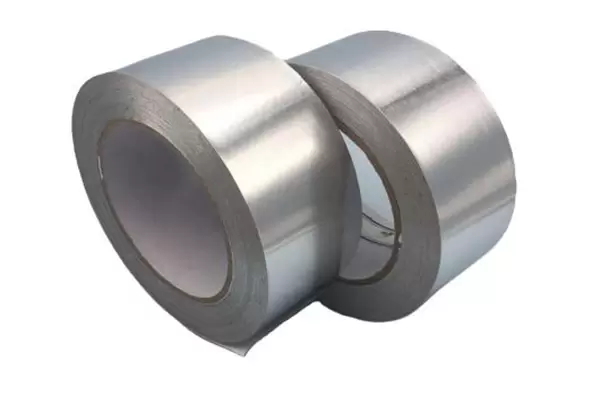
4. Aging Resistance and Long-Term Adhesion
A tape can provide strong initial adhesion but still experience problems after months of service. Adhesive aging may lead to reduced bonding performance, changes in flexibility, edge lifting, or difficulty removing the tape cleanly.
These risks are influenced by several factors, including adhesive chemistry, surface preparation, storage conditions, and the environmental loads acting on the finished assembly.
The 180-degree peel strength, initial tack, holding power, and tensile strength listed in a product specification provide useful starting points for evaluating tape performance. However, these measurements represent different properties and should not be treated as interchangeable indicators of long-term durability.
For example, initial tack describes the ability to establish contact quickly, while holding power measures resistance to sustained loading under specified test conditions. Peel strength evaluates resistance to separation, and tensile strength indicates the force required to break the tape in tension.
For industrial applications, it is useful to review all four properties together.
The technical parameters for this product include the following representative specifications:
Total thickness | Adhesive type | 180° peel strength | Holding power | Tensile strength |
90 μm | Water-based | ≥4 N/cm | ≥24 h | ≥10 N/cm |
150 μm | Flame-retardant | ≥7.5 N/cm | ≥24 h | ≥20 N/cm |
140 μm | Rubber | ≥7.5 N/cm | ≥24 h | ≥20 N/cm |
180 μm | Solvent-based | ≥7.5 N/cm | ≥24 h | ≥30 N/cm |
200 μm | Solvent-based | ≥7.5 N/cm | ≥24 h | ≥30 N/cm |
160 μm | Water-based | ≥6 N/cm | ≥24 h | ≥45 N/cm |
These values are product specifications for the listed constructions, not universal performance guarantees for every thickness or adhesive combination. Buyers should also confirm the applicable test methods, substrate conditions, and specification version before comparing products from different suppliers.
For applications where long-term sealing is critical, accelerated aging tests, temperature cycling tests, and adhesion evaluations on the actual application surface can provide additional evidence of suitability.
5. Why the Release Liner Matters for Storage and Installation
Weather resistance receives considerable attention, but storage and handling also influence the condition of a tape before it reaches the application site.
A release liner protects the adhesive surface before installation. Compared with liner-free constructions, a liner-backed tape can be easier to handle and store, with less risk of deformation or damage under compression during normal handling.
The liner also allows installers to position the tape before exposing the adhesive. This can be helpful when sealing long duct joints, covering insulation seams, or working around equipment where alignment matters.
The product uses release-treated backing materials in different configurations, including white paper, kraft paper, yellow paper, and glassine paper. These options are associated with different product specifications and should be confirmed when ordering.
Storage conditions are equally important. The recommended storage environment for this tape is a cool, dry location at room temperature, with a specified temperature range of -5°C to 40°C and relative humidity below 80% RH. Direct sunlight and exposure to heat sources should be avoided.
The stated shelf life also varies by adhesive formulation:
l Water-based and flame-retardant adhesives: 6 months.
l Solvent-based and rubber adhesives: 12 months.
These periods should be considered when planning inventory, particularly for distributors and project buyers who purchase tape in bulk or keep products in storage before installation.
A suitable storage plan helps ensure that the tape is used within its stated shelf life and under the recommended conditions.
6. Matching Adhesive Types to Real Applications
Selecting an adhesive should begin with the application rather than with a general preference for one formulation.
In refrigeration systems, the tape may be used for sealing insulation or covering joints around evaporators and condenser pipelines. Low-temperature performance, adhesion to the relevant surface, and resistance to condensation are important considerations.
In HVAC systems, aluminum foil tape is used for sealing ductwork and insulation joints. Buyers should evaluate the substrate, expected operating temperatures, installation environment, and whether the application requires any specific fire-performance properties.
In transportation fire protection, the requirements can be more demanding. Aluminum foil tape may be used around cables, duct joints, and insulation seams, but a flame-retardant adhesive variant should not automatically be considered a certified fire-protection system. The complete assembly must satisfy the relevant fire-performance requirements and applicable transportation standards.
For these applications, Aluminum Foil Tape with Release Paper Liner can be evaluated in different thicknesses and adhesive configurations according to the intended use. The available specifications include flame-retardant, rubber, water-based, and solvent-based adhesive options.
A practical selection process should confirm the following:
The material and condition of the application surface.
The required tape width, length, and total thickness.
The operating-temperature range.
The expected exposure to UV, humidity, condensation, and aging.
Any fire-performance or regulatory requirements.
The necessary peel strength, holding power, and tensile strength.
For projects with unusual requirements, supplying a sample of the actual substrate for testing can help identify potential adhesion issues before large-scale installation.
7. Working With an Experienced Aluminum Foil Tape Manufacturer
Product specifications are only one part of a reliable procurement decision. Manufacturing consistency, adhesive selection, tolerance control, and technical communication also influence whether a tape meets the needs of a particular project.
Jiangyin Biaotie Material Factory Co., Ltd. was established in 1980 and has specialized in tape manufacturing for more than four decades. The company operates a 15,000-square-meter facility and reports annual production of approximately 20 million square meters of aluminum foil tape.
Its manufacturing approach includes coating and slitting processes, equipment upgrades, and production-management systems intended to improve process control and dimensional consistency. The company also develops adhesive formulations and works with upstream material suppliers to support specialized product requirements.
For overseas buyers, application discussions can be especially useful when the destination market has different climatic conditions or when a tape must perform under specific temperature and humidity profiles. Rather than selecting a product solely by thickness, buyers can discuss the intended application, substrate, required adhesive properties, and relevant performance tests.
Dimensional tolerances should also be checked during procurement. The stated tolerances for this product include ±0.005 mm for aluminum foil thickness, ±0.01 mm for total thickness, ±0.5 mm for width, and ±0.2 m for length.
These figures help establish the expected dimensional limits, although the exact specification should be confirmed for the selected product configuration.
For customized requirements, discussing samples, testing criteria, packaging, and delivery schedules before production can reduce uncertainty and help establish a clearer quality-control process.
8. Practical Checks Before Purchasing
Before placing an order, buyers should establish a clear set of acceptance criteria. This is particularly important when aluminum foil tape will be used in insulation systems or equipment where maintenance is difficult after installation.
Start by identifying the environment in which the tape will operate. Indoor duct sealing, refrigeration equipment, and exposed outdoor installations can have very different requirements. Then determine the adhesive type, thickness, width, liner, and performance specifications needed for the application.
Request the current technical data sheet and clarify the conditions under which the listed properties were measured. If UV resistance, long-term aging, or fire performance is a project requirement, ask for the corresponding test evidence rather than relying on general product descriptions.
It is also worth confirming the recommended storage conditions and shelf life for the selected adhesive. This is particularly relevant when purchasing several product configurations for a project scheduled to proceed in stages.
Finally, test the tape on the actual application surface whenever possible. A small-scale trial can reveal issues involving surface contamination, uneven substrates, adhesion, or installation technique before they affect a larger project.
Weather resistance is not a single property that can be assessed independently of the rest of the tape construction. It is the combined result of the foil backing, adhesive formulation, installation method, and conditions throughout the product's service life.
For refrigeration, HVAC, insulation, and transportation applications, Aluminum Foil Tape with Release Paper Liner provides several adhesive and thickness options for evaluation. By matching the construction to the intended environment and confirming performance through relevant technical data and application testing, buyers can make a more informed decision about long-term sealing reliability.

 WhatsApp