Industrial insulation systems are expected to perform reliably under demanding operating conditions. Whether used on HVAC ductwork, industrial pipelines, processing equipment, or outdoor installations, the sealing tape selected for insulation joints plays a significant role in maintaining thermal efficiency, protecting insulation materials, and extending service life.
Among the available options, Woven Fiberglass Mesh Aluminum Foil Tape has become a preferred solution for many industrial insulation applications because it combines the reflective properties of aluminum foil with the flexibility of a woven fiberglass mesh structure and the reliable bonding performance of pressure-sensitive adhesive (PSA).
This guide explains the key factors to consider when selecting woven fiberglass mesh aluminum foil tape for industrial insulation projects and how choosing the appropriate specifications can improve installation quality and long-term performance.
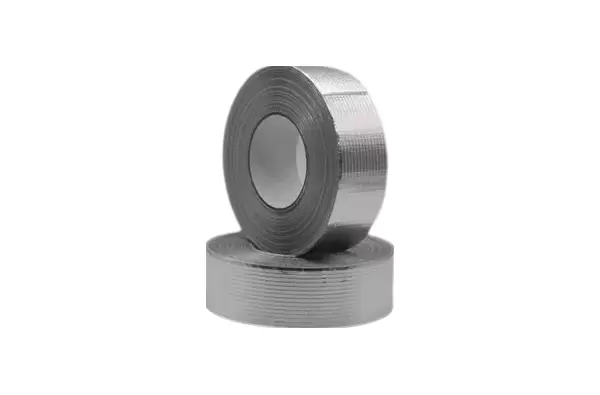
Understand the Construction Before Choosing
Not all aluminum foil tapes are designed for the same working conditions. Understanding the tape’s construction helps determine whether it matches the project’s performance requirements.
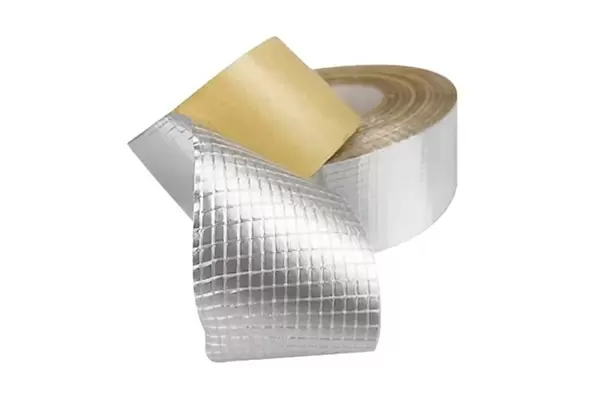
A typical woven fiberglass mesh aluminum foil tape consists of several functional layers:
· Aluminum foil surface for heat reflection and vapor resistance
· Woven fiberglass mesh reinforcement with visible warp and weft patterns
· High-performance pressure-sensitive adhesive (PSA)
· Release paper or release film liner
Unlike conventional fiberglass cloth tapes, the woven mesh substrate uses an open structure. This design reduces overall density while improving flexibility, making the tape easier to apply on curved surfaces, corners, elbows, and irregular insulation components.
Instead of focusing only on tensile strength, project engineers should evaluate how well the tape conforms to the installation surface while maintaining reliable adhesion.
Match the Tape to the Application Environment
Industrial insulation projects vary greatly depending on industry and operating conditions.
Common applications include:
· Thermal insulation wrapping for pipelines
· Air duct insulation systems
· Mechanical equipment insulation
· Outdoor insulation protection
· Curved ducts and elbows
· Equipment corner reinforcement
· Insulation system sealing during maintenance
Projects involving straight pipe sections may prioritize mechanical strength, while installations around valves, elbows, or complex geometries usually require greater flexibility.
The woven fiberglass mesh structure allows the tape to adapt to irregular shapes without excessive wrinkling, helping installers achieve cleaner and more consistent sealing.
Evaluate Flexibility Instead of Only Strength
Many buyers assume that stronger reinforcement always results in better performance.
In reality, industrial insulation often requires a balance between strength and conformability.
Compared with traditional fiberglass cloth reinforced aluminum foil tape, woven fiberglass mesh aluminum foil tape offers:
· Better flexibility
· Easier installation on uneven surfaces
· Reduced material stiffness
· Improved handling during field installation
The moderate tensile strength provided by the mesh reinforcement remains suitable for most insulation sealing applications while allowing installers to work more efficiently around complicated equipment layouts.
For projects with numerous bends, transitions, and corners, flexibility often delivers greater practical value than maximum tensile strength.
Consider Moisture Protection Requirements
Moisture is one of the major causes of insulation performance loss.
When water penetrates insulation materials, thermal efficiency decreases while corrosion risks increase.
The PE-laminated aluminum foil layer provides an effective moisture barrier that helps prevent water penetration into insulation systems.
For outdoor equipment or installations exposed to humid environments, selecting a tape with strong moisture resistance can significantly improve the durability of the overall insulation assembly.
If flame-retardant performance is required, buyers should discuss adhesive systems and material options with the manufacturer before production.
Choose the Appropriate Adhesive System
Adhesive selection is just as important as choosing the reinforcement material.
Depending on the installation environment, woven fiberglass mesh aluminum foil tape is commonly available with either solvent-based PSA or water-based PSA.
Solvent-Based Adhesive
Solvent-based adhesive generally offers:
· Higher peel adhesion
· Excellent bonding stability
· Better performance across wider temperature ranges
· Longer storage life
This option is widely used for demanding industrial insulation projects.
Water-Based Adhesive
Water-based adhesive provides:
· Reliable bonding for general insulation applications
· Stable holding power
· Environmentally friendly production characteristics
The best adhesive depends on operating temperature, surface materials, storage conditions, and installation environment rather than simply choosing the strongest available option.
Select the Right Thickness and Mesh Pattern
Industrial projects rarely have identical requirements.
Different specifications are available to accommodate varying installation needs.
Typical selection factors include:
· Total tape thickness
· Mesh density
· Adhesive type
· Liner material
· Roll width
· Roll length
For example, projects involving narrow pipe joints may require different roll widths than large air duct installations.
Likewise, mesh patterns such as 3×3 or 5×5 provide different balances between flexibility and structural support.
Discussing application details with the manufacturer before ordering often helps avoid unnecessary material costs and improves installation efficiency.
Don’t Overlook Storage and Shelf Life
Proper storage helps maintain adhesive performance before installation.
Recommended storage conditions include:
· Dry indoor environment
· Temperature between -5°C and 40°C
· Relative humidity below 80%
· Protection from direct sunlight
· Keep away from heat sources
Shelf life also varies according to adhesive type.
Water-based and flame-retardant adhesive systems generally have a shelf life of six months, while solvent-based products can typically be stored for up to twelve months under recommended conditions.
Following proper storage practices helps ensure consistent bonding performance on site.
Consider Customization for Large Industrial Projects
Large-scale insulation projects often require specifications that differ from standard inventory products.
Customization may include:
· Custom roll sizes
· Different adhesive formulations
· Alternative liner materials
· Various aluminum foil thicknesses
· Flame-retardant options
· Project-specific packaging
Working directly with an experienced manufacturer simplifies this process.
With more than 45 years of tape manufacturing experience and over 25 years of international export expertise, our company supports customers by understanding their application environments, recommending suitable material combinations, and developing customized tape solutions based on local climate conditions and project requirements.
Rather than offering one standard product for every customer, we focus on selecting the most appropriate substrate and adhesive combination to improve service life, installation efficiency, and overall cost-effectiveness.
Work with a Manufacturer That Understands Industrial Applications
Choosing industrial insulation tape involves more than comparing technical specifications on a data sheet.
Reliable manufacturers assist customers throughout the project lifecycle, from material selection and customization to quality control and after-sales support.
For long-term industrial projects, this technical support can reduce procurement risks while improving installation consistency.
Experienced manufacturers are also better positioned to recommend solutions based on actual application conditions instead of simply supplying standard products.
Conclusion
Selecting the right insulation tape begins with understanding the demands of the application rather than choosing the highest specification available.
The combination of aluminum foil, woven fiberglass mesh reinforcement, and high-performance PSA gives woven fiberglass mesh aluminum foil tape an excellent balance of flexibility, moisture resistance, and reliable bonding, making it suitable for a wide range of industrial insulation projects.
Whether the application involves duct insulation, pipeline wrapping, equipment protection, or customized insulation systems, choosing the appropriate specifications and working with an experienced manufacturer can significantly improve installation quality and long-term performance.
To learn more about available specifications or discuss customized solutions, visit our Woven Fiberglass Mesh Aluminum Foil Tape product page.

 WhatsApp