When aluminum foil tape is used on ducts, pipelines, equipment surfaces or other demanding installations, the adhesive is only part of the performance equation. The tape itself must also withstand pulling, cutting, handling and movement without tearing apart. This becomes especially important when the tape is applied around corners, wrapped over uneven surfaces or used in high-temperature environments.
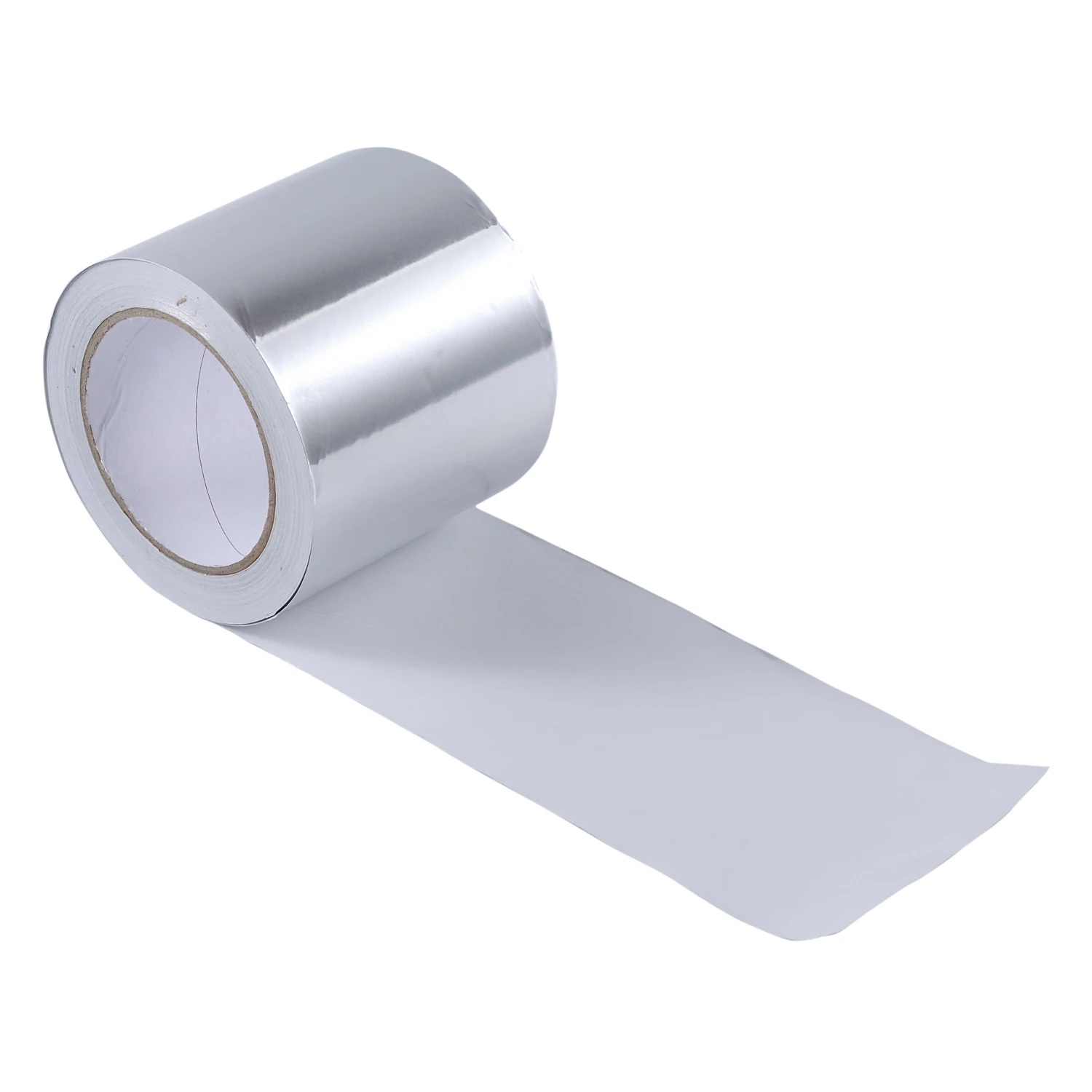
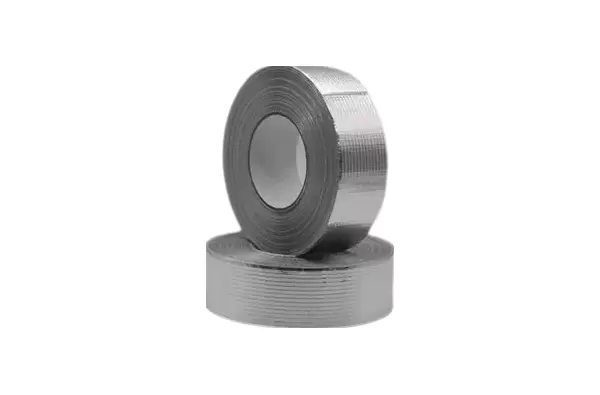
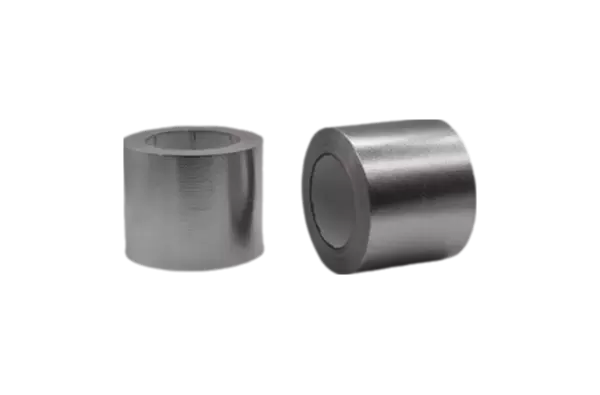
Fiberglass Cloth Aluminum Foil Tape addresses this requirement by combining the reflective and protective properties of aluminum foil with the mechanical reinforcement of fiberglass cloth. The result is a composite tape designed to provide better tensile strength and tear resistance than conventional foil tapes while maintaining the practical advantages required for industrial sealing and insulation work.

Why Tear Resistance Matters in Aluminum Foil Tape
A standard aluminum foil layer can provide excellent heat reflection and surface protection, but foil by itself is relatively easy to deform or tear when subjected to mechanical stress. During installation, workers may need to pull the tape tightly, reposition it, cut it around fittings or press it over irregular surfaces. If the tape tears during these operations, installation becomes slower and the finished seal may be compromised.
Fiberglass reinforcement changes the mechanical behavior of the tape. Instead of relying only on the thin aluminum layer to withstand applied force, the fiberglass cloth acts as a supporting structure within the composite. When tension is applied, the reinforcement helps distribute the load across a wider area.
This is particularly useful for applications where the tape must remain intact after installation. A stronger tape can better withstand handling and localized stress, reducing the likelihood of accidental tearing during wrapping and sealing.
How Fiberglass Reinforcement Improves Mechanical Strength
The key advantage of fiberglass cloth is its high strength relative to its weight. When laminated with aluminum foil, the fiberglass layer provides reinforcement without requiring an excessively thick metal layer.
In Fiberglass Cloth Aluminum Foil Tape, the fiberglass fabric is positioned as a structural layer beneath or between the aluminum foil surfaces, depending on the construction. The aluminum foil contributes heat reflection, moisture resistance and surface protection, while the fiberglass fabric primarily contributes mechanical strength.
The technical data supplied for the product demonstrates this reinforcement effect. Depending on the construction, the fiberglass fabric areal weight ranges from 75 to 210 g/m², while aluminum foil thickness ranges from 6 to 16 μm. The specified tensile strength reaches at least 100 N/cm in the listed constructions.
This combination is useful when tape performance depends on more than adhesive tack. For example, when wrapping a hot-air duct, the tape may experience tension during installation and thermal movement after application. The fiberglass layer helps the tape maintain its physical integrity under these conditions.
Tear Resistance During Installation
Tear resistance is particularly important during manual installation. Industrial tape is rarely applied to a perfectly flat surface. Installers often need to work around pipe joints, elbows, flanges, corners and equipment connections.
A tape that tears easily can create uneven edges or require additional pieces to complete the job. In contrast, fiberglass-reinforced foil tape can tolerate greater mechanical handling. The reinforcement helps prevent a small cut or stressed area from immediately developing into a larger tear.
This makes the material suitable for thermal insulation wrapping on boilers, steam pipelines and hot-air ducts. In these applications, the tape is commonly required to conform to the shape of the insulation system while maintaining a continuous protective layer.
The reinforced structure is also valuable when tape is used for fireproof sealing or cable-related applications, where maintaining the continuity of the sealed area is important.

The Role of the Adhesive System
Fiberglass reinforcement improves the mechanical strength of the tape, but the adhesive formulation determines how effectively the tape bonds to the target surface.
The product range can be supplied with different adhesive systems, including solvent-based, water-based and flame-retardant adhesive options. This allows the tape construction to be matched with different application requirements.
For example, the listed products include a flame-retardant adhesive construction with 6 μm aluminum foil and 75 g/m² fiberglass fabric. Other specifications use 8 or 16 μm aluminum foil with fiberglass fabric weights ranging from 100 to 210 g/m².
The tape also provides an initial tack of at least 10# and holding power of at least 24 hours under the specified test conditions. These properties are important because mechanical reinforcement alone does not create a reliable seal. The tape needs both a stable substrate structure and an adhesive system capable of maintaining contact with the application surface.
Performance at Elevated Temperatures
Fiberglass reinforcement becomes even more useful when foil tape is exposed to heat. The specified operating temperature range for this product is -30°C to 200°C, making it suitable for applications involving elevated temperatures.
In thermal insulation systems, the aluminum foil surface can reflect radiant heat and help protect the underlying insulation. Meanwhile, the fiberglass layer contributes mechanical stability to the tape structure.
For high-temperature equipment such as boilers, steam pipelines and hot-air ducts, this combination provides a practical balance between thermal performance and mechanical durability. The tape is not simply functioning as an adhesive strip; it forms part of the overall insulation and sealing system.
Where fire performance is also required, a flame-retardant adhesive can further enhance the fire resistance of the tape construction compared with standard aluminum foil tapes.
Applications Beyond Thermal Insulation
The mechanical properties of fiberglass-reinforced foil tape make it useful in several industrial applications.
In infrastructure fire protection, the tape can be used for sealing firewall gaps, ventilation duct joints and cable penetration areas. Maintaining a continuous seal is important in these situations, and the reinforced structure helps the tape withstand installation stress.
The tape can also be used for EMI shielding in server cabinets, communication base stations and medical equipment. Here, the aluminum layer provides the conductive metallic surface needed for shielding, while fiberglass reinforcement helps the tape maintain its physical form during installation.
For corrosive environments, the aluminum foil surface can also provide protection and sealing against exposure to acids and alkalis, depending on the specific application conditions and adhesive system selected.
Selecting the Right Fiberglass-Reinforced Foil Tape
Not every application requires the same tape construction. When selecting a fiberglass cloth aluminum foil tape, several parameters should be considered together.
Aluminum foil thickness affects the surface structure and handling characteristics. Fiberglass fabric weight influences the reinforcement level. Adhesive type should be selected according to the substrate, temperature, fire-performance requirements and environmental conditions.
Liner selection also matters during processing and installation. Available constructions include kraft paper, white paper, PET and glassine paper liners. Product dimensions can range from narrower rolls for manual application to larger formats for industrial converting and processing.
For applications requiring precise dimensions, the listed tolerances include ±0.005 mm for aluminum foil thickness, ±0.01 mm for total thickness, ±0.5 mm for width and ±0.2 m for length. These details can be important for customers using the tape in standardized production or large-scale insulation projects.
Manufacturing Experience Behind Consistent Tape Performance
Material selection and process control have a direct impact on the consistency of reinforced foil tape. Jiangyin Biaotie Material Factory Co., Ltd. has specialized in tape manufacturing since 1980 and has more than 25 years of international trade experience.
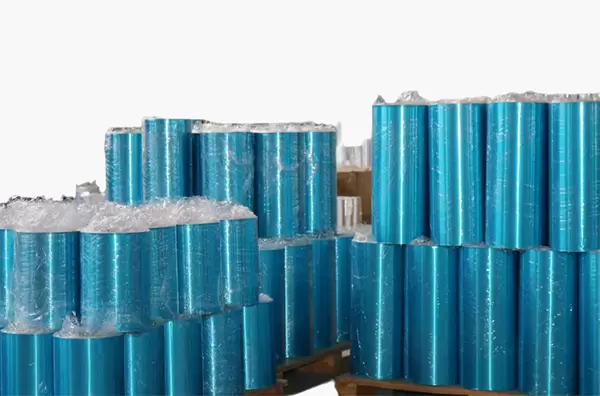
The company operates a 15,000 m² production site with annual aluminum foil tape production of approximately 20 million m². Its manufacturing approach includes continuous upgrades to raw materials, development of high-performance adhesive formulations and improvements to coating and slitting equipment.
For customers with specialized requirements, the company also provides customized product development. Depending on the application, adjustments can be made to substrates, adhesive formulations and other material parameters. This is useful when a standard tape specification does not fully match a customer's temperature, mechanical strength, sealing or processing requirements.
A Practical Choice for Demanding Tape Applications
Fiberglass reinforcement solves a straightforward but important problem: aluminum foil needs additional structural support when the tape must withstand mechanical stress. By combining aluminum foil, fiberglass cloth and a pressure-sensitive adhesive, Fiberglass Cloth Aluminum Foil Tape provides a reinforced construction capable of handling demanding installation and service conditions.
Its tensile strength and tear resistance make it suitable for insulation wrapping, fireproof sealing, EMI shielding and corrosion-resistant sealing. With operating temperatures specified from -30°C to 200°C and multiple adhesive and liner options available, the tape can also be configured for different industrial requirements.
For buyers evaluating reinforced foil tape, the most important consideration is not simply foil thickness. The fiberglass weight, adhesive system, total construction and intended application should be evaluated together. When these factors are properly matched, fiberglass reinforcement can significantly improve the tape's ability to remain intact from installation through long-term service.
 WhatsApp