Smart toilets are becoming more common in modern bathrooms, especially in homes, hotels, apartments, and healthcare facilities where comfort and hygiene are both important. Among many functions, the heated seat is one of the most valued features. It looks simple from the outside, but inside the seat ring, there is a compact heating structure that requires stable fixation, insulation, heat transfer support, and long-term protection.
For manufacturers, the performance of the heating seat ring depends not only on the heating wire or heating film itself, but also on the materials used to hold and seal the internal structure. This is where VC Heat-sealable Aluminum Foil Tape becomes an important material choice.
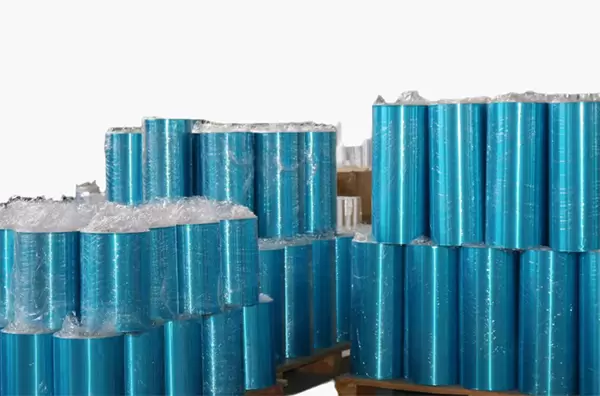
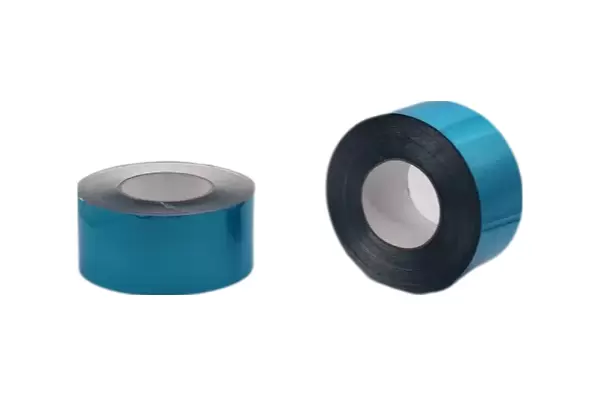
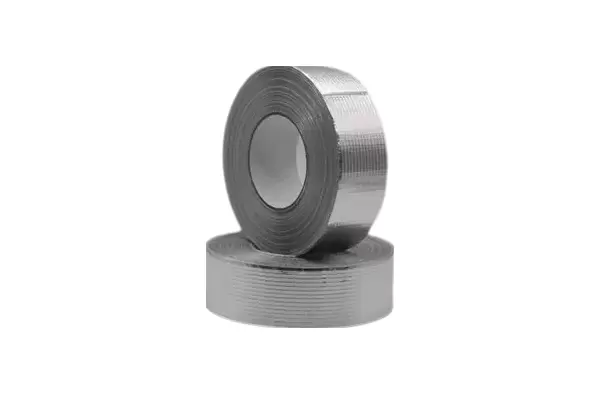
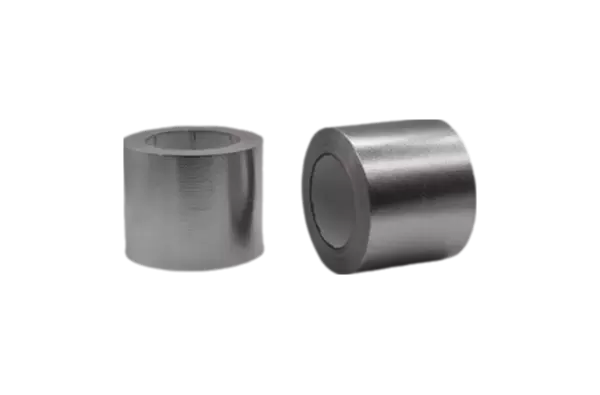
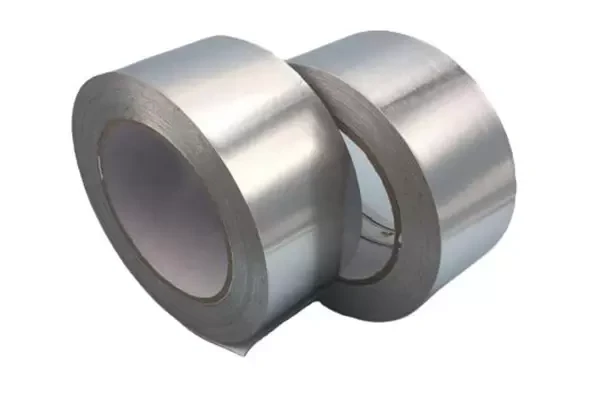
Unlike ordinary aluminum foil tape, VC heat-sealable aluminum foil tape is designed with aluminum foil as the main backing and a heat-activated VC coating. Under heat and pressure, the VC layer can bond with the substrate to form a stable sealed structure. The product also comes with a release paper liner, which helps protect the sealing surface and improves handling during cutting, die-cutting, storage, and production processing.
The Real Challenge Inside a Smart Toilet Heating Seat Ring
A smart toilet heating seat ring works in a narrow and curved space. The heating element is usually arranged along the inner structure of the seat ring to provide even warmth. During use, this part may face repeated heating and cooling cycles, bathroom humidity, long operating hours, and vibration during opening and closing.
For this reason, the internal fixation material must do more than simply “stick” components together. It needs to support several practical requirements:
First, the heating wire or heating element must remain in the designed position. If it shifts, overlaps, or separates from the contact surface, the heating effect may become uneven.
Second, the material should help form a stable composite structure after thermal processing. A loose or weakly bonded layer may affect long-term reliability.
Third, the heating structure needs protection from moisture, air, oil stains, and aging factors. Smart toilets are used in humid bathroom environments, so barrier performance is especially important.
Finally, the material must be suitable for efficient production. Smart toilet manufacturers often need materials that can be cut, positioned, laminated, and heat-sealed in a controlled process.
VC heat-sealable aluminum foil tape fits this application because it combines heat-sealing capability, aluminum foil barrier performance, and production-friendly liner protection in one material.
How VC Heat-sealable Aluminum Foil Tape Supports Heating Wire Fixation
In a smart toilet heated seat, the heating resistor wire or heating element needs to be fixed securely along the seat ring structure. The tape helps press and hold the heating component in place, reducing the risk of movement during assembly and long-term use.
The VC layer is activated by heat and pressure. After thermal bonding, it can form a tight structure with the matched substrate. Compared with simple pressure-sensitive bonding, this heat-sealed structure is more suitable for applications where the material must remain stable after repeated heating cycles.
This is especially valuable for smart toilet seat rings because the heating part is not a temporary assembly. Once the seat ring is sealed, the internal material is expected to work reliably for a long time. A stable heat-sealed layer helps improve the integrity of the internal heating module.
Why Aluminum Foil Matters in Heated Seat Structures
Aluminum foil is not only used as a carrier material. In heating seat ring applications, it can also provide useful functional support.
The foil layer helps create a protective barrier against moisture, air, oils, and UV exposure. For bathroom appliances, moisture resistance is one of the most important concerns. If humidity enters the internal heating structure over time, it may affect insulation, bonding stability, and component life.
Aluminum foil also has good thermal-related characteristics. In a heated seat structure, it can assist with stable contact and protection around the heating area. While the exact thermal design depends on the appliance structure, using aluminum foil tape can help manufacturers build a more consistent internal layer around the heating element.
The product page also highlights the tape’s sealing performance, barrier properties, and stable adhesion after heat application, making it suitable for applications where moisture resistance, heat resistance, and sealing consistency are important.
Better Protection in Humid Bathroom Environments
Smart toilets operate in a very different environment from ordinary dry household appliances. Bathroom humidity, cleaning agents, temperature changes, and long-term use can all affect internal materials.
VC heat-sealable aluminum foil tape is suitable for this type of application because it offers:
- Moisture barrier protection
- Air and oil resistance
- Heat-sealing stability
- Aging resistance
- Chemical corrosion resistance
- Stable performance under high and low temperature changes
For a smart toilet heating seat ring, these properties help protect the heating element and surrounding structure from environmental degradation. This is important for product reliability, especially for brands that care about long service life and lower after-sales risk.
Why Release Paper Liner Is Useful for Smart Toilet Manufacturers
The release paper liner may look like a small detail, but it is very useful in actual production.
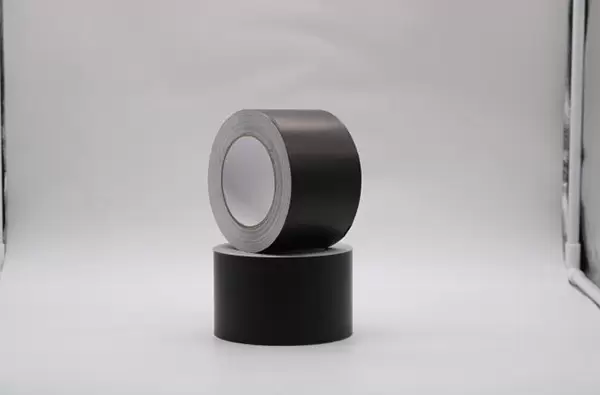
Smart toilet heating seat components often require accurate cutting and positioning. The liner protects the adhesive or sealing surface before use, making the tape easier to process into required shapes or strips. It also supports die-cutting, storage, and manual or automated handling.
For manufacturers, this means the material can be prepared more cleanly and applied more efficiently. When producing heating seat rings in batches, stable material handling can reduce waste, improve assembly consistency, and make production control easier.
This is one of the reasons VC heat-sealable aluminum foil tape with release paper liner is more suitable for structured appliance manufacturing than ordinary foil tape rolls.
Difference from Standard Aluminum Foil Tape
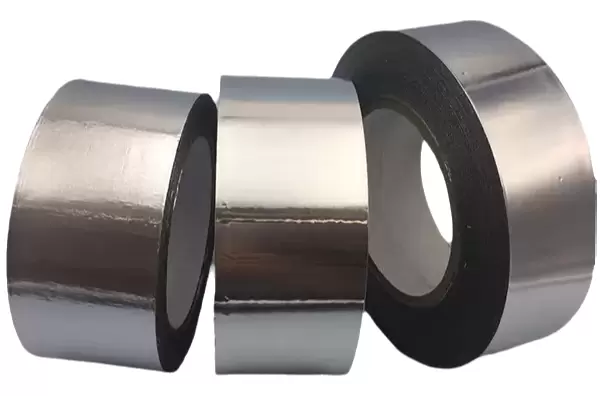
Standard aluminum foil tape is often used for general sealing, insulation, HVAC, and surface repair applications. It usually relies mainly on pressure-sensitive adhesive.
VC heat-sealable aluminum foil tape is different because its VC backing layer is designed for thermal bonding. In applications such as smart toilet heating seat rings, the material is not only used for surface bonding but also for forming a stronger internal composite structure under heat and pressure.
For smart toilet manufacturers, this difference matters. A heated seat ring is a functional internal component, not a simple surface repair area. It needs stable bonding, controlled sealing, and long-term protection. Therefore, a heat-sealable foil tape is often a better match than a common pressure-sensitive foil tape.
Key Selection Points for Smart Toilet Heating Seat Applications
When choosing VC heat-sealable aluminum foil tape for smart toilet heating seat rings, manufacturers should not only check the product name. They should also confirm whether the tape matches their process and product structure.
Important factors include:
- Heat-sealing conditions
The required temperature, pressure, and time should match the production process. - Substrate compatibility
The tape should bond well with the material used in the heating seat ring structure. - Tape thickness and width
Different heating ring designs may require customized tape dimensions. - Die-cutting performance
For curved or shaped heating structures, clean cutting and stable liner release are important. - Moisture and aging resistance
Since smart toilets are used in humid environments, long-term barrier performance is critical. - Batch consistency
For appliance manufacturers, stable quality across production batches is more important than one-time sample performance.
A Practical Material for Smart Toilet Heating Seat Manufacturing
As smart toilet products continue to develop, internal materials are becoming more important. A reliable heated seat ring requires more than a heating element. It needs suitable fixation, sealing, insulation support, and environmental protection.
VC heat-sealable aluminum foil tape is a practical solution for this application. It helps fix heating resistor wires, supports thermal bonding, provides barrier protection, and improves processing efficiency with its release paper liner. For smart toilet manufacturers, it offers a balanced material choice for building stable, durable, and production-friendly heating seat ring structures.
Jin Diao Group provides VC heat-sealable aluminum foil tape with customizable specifications, widths, liner options, and product solutions for different application requirements. For appliance manufacturers working on smart toilet heating seat rings, this material can be adapted according to actual structure, production process, and performance needs.

 WhatsApp