When it comes to insulation systems, HVAC ductwork, industrial sealing, and high-temperature applications, choosing the right tape is only part of the equation. Proper installation is equally important to ensure reliable adhesion, long service life, and consistent performance.
Whether you are working on a new installation or repairing an existing insulation system, following proven installation practices can significantly improve the durability of your project. This guide explains how to install Woven Fiberglass Mesh Aluminum Foil Tape correctly and avoid common mistakes that may shorten its service life.
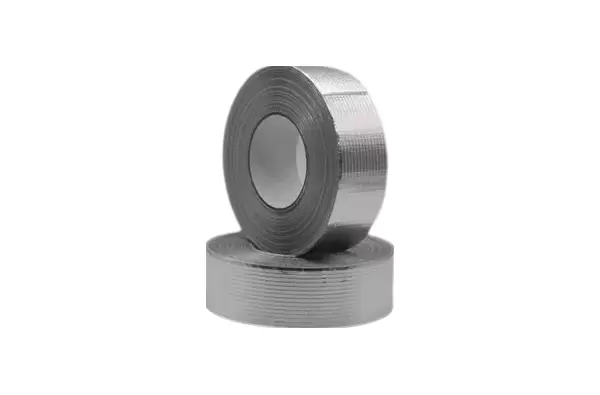
Understanding Woven Fiberglass Mesh Aluminum Foil Tape
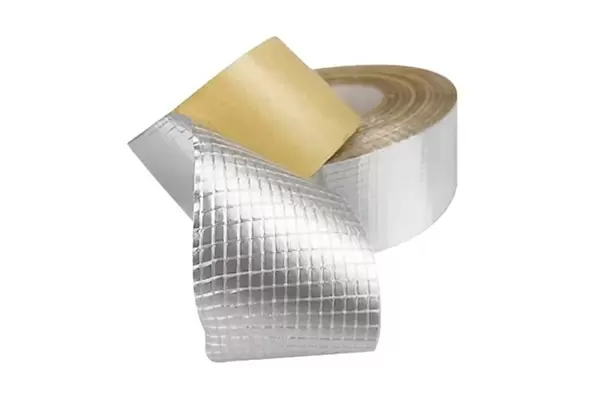
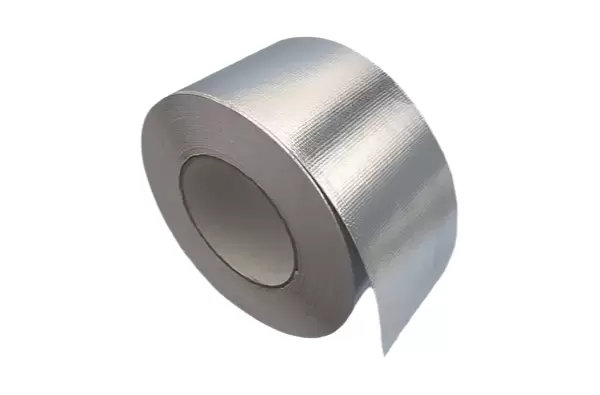
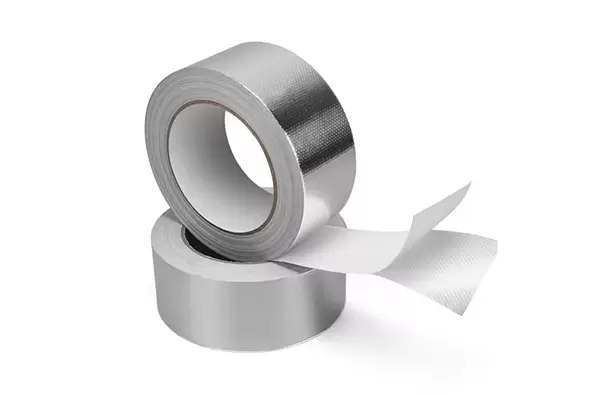
Unlike conventional aluminum foil tapes, Woven Fiberglass Mesh Aluminum Foil Tape features a reinforced composite construction. It is manufactured by laminating aluminum foil onto a visibly woven fiberglass mesh substrate with distinct warp and weft patterns. The backing is then coated with a high-performance pressure-sensitive adhesive (PSA) and protected with a release paper or film liner.
This reinforced structure provides several practical advantages:
Higher tensile strength
Better tear resistance
Improved dimensional stability
Enhanced puncture resistance
Reliable adhesion on insulation materials
Excellent performance in demanding industrial environments
These characteristics make it a preferred solution for insulation contractors, HVAC installers, mechanical engineers, and industrial maintenance professionals.
Why Proper Installation Matters
Even the highest-quality tape cannot perform as intended if it is installed incorrectly.
Poor installation often results in:
Proper installation helps create an airtight, durable seal that maintains system efficiency while reducing maintenance requirements over time.
Step 1: Prepare the Surface Thoroughly
Surface preparation is often overlooked but has one of the greatest impacts on adhesive performance.
Before applying the tape:
Remove dust and loose particles.
Eliminate oil, grease, and contaminants.
Wipe away moisture.
Ensure the surface is completely dry.
Remove old adhesive residue if replacing existing tape.
For metal ductwork, a clean cloth with an appropriate cleaning solution is usually sufficient. On insulation facings, avoid cleaners that may damage the surface.
A clean substrate allows the pressure-sensitive adhesive to develop maximum bonding strength.
Step 2: Apply the Tape at the Correct Temperature
Pressure-sensitive adhesives perform best within their recommended application temperature range.
Applying tape in extremely cold environments can reduce initial tack, while excessively hot surfaces may affect positioning during installation.
Whenever possible:
Store tape indoors before use.
Allow materials to reach ambient temperature.
Avoid applying tape onto frozen or wet surfaces.
Proper application conditions help the adhesive wet out evenly across the substrate.
Step 3: Measure Before Cutting
Rather than cutting multiple short pieces, measure each section carefully.
Longer continuous strips provide:
Use sharp scissors or a utility knife to create clean edges.
Jagged cuts may become lifting points over time.
Step 4: Remove the Release Liner Gradually
Instead of removing the entire release liner at once, peel it back gradually while applying the tape.
This method offers several advantages:
For long duct seams, having a second installer assist can improve installation accuracy.
Step 5: Apply Consistent Pressure
Pressure-sensitive adhesives require firm pressure to develop full bonding strength.
After positioning the tape:
Press from the center outward.
Remove trapped air.
Use a plastic squeegee or roller if available.
Pay extra attention to both edges.
Proper pressure creates intimate contact between the adhesive and the substrate.
Step 6: Avoid Air Bubbles and Wrinkles
Air pockets may seem minor initially, but they can eventually become weak points where moisture or contaminants enter.
To minimize bubbles:
Avoid stretching the tape excessively, as this may create internal stress that later causes lifting.
Step 7: Ensure Adequate Overlap
When sealing insulation joints or duct seams, overlapping adjacent tape sections improves sealing reliability.
A consistent overlap helps:
Prevent leakage
Increase mechanical strength
Reduce exposure of seam edges
Improve long-term durability
Consistency throughout the installation is more important than excessive overlap.
Step 8: Pay Special Attention to Corners
Corners, bends, and curved surfaces experience greater mechanical stress than flat areas.
When working around corners:
Apply gradually.
Press firmly along the edges.
Avoid forcing the tape into sharp angles.
Cut relief sections when necessary.
Proper corner installation significantly reduces future edge lifting.
Step 9: Inspect the Finished Installation
A final inspection takes only a few minutes but can prevent costly repairs later.
Check for:
Correcting small issues immediately is much easier than repairing failed seals after the system is in operation.
Common Installation Mistakes to Avoid
Even experienced installers occasionally make errors that affect tape performance.
Applying Over Dirty Surfaces
Dust and oil prevent the adhesive from making full contact.
Stretching the Tape
Excessive tension creates stress that may lead to edge lifting.
Ignoring Surface Moisture
Moisture weakens adhesive bonding and can trap water beneath the tape.
Applying Without Pressure
Simply placing the tape on a surface is not enough. Proper pressure activates the adhesive bond.
Using Multiple Small Pieces
Numerous joints increase the risk of failure.
Applications That Benefit from Proper Installation
Correct installation practices are especially valuable in demanding applications such as:
HVAC duct sealing
Thermal insulation systems
Industrial equipment insulation
Refrigeration systems
Cold storage facilities
Pipe insulation
Building insulation projects
Mechanical rooms
Cleanroom construction
Industrial maintenance
These environments often involve temperature fluctuations, vibration, or prolonged service conditions, making installation quality essential.
Why Reinforced Fiberglass Mesh Makes a Difference
Traditional aluminum foil tape performs well in many applications, but reinforcement provides additional durability where higher mechanical strength is required.
The woven fiberglass mesh improves:
Tear resistance during installation
Stability under mechanical stress
Dimensional consistency
Crack resistance
Long-term structural integrity
This reinforcement helps maintain the integrity of insulation systems even after years of operation.
Choosing a Reliable Manufacturer Matters
Product quality begins long before installation.
A manufacturer with extensive production experience is more likely to provide consistent material quality, stable adhesive performance, and reliable manufacturing standards.
Established in 1980, our company has accumulated 45 years of expertise in aluminum foil tape manufacturing. With comprehensive knowledge of raw materials, adhesive technologies, and production processes, we focus on delivering dependable tape solutions for industrial and commercial applications.
Our international business has expanded for more than 25 years, with exports accounting for over one-third of total sales. Customers across Europe, Southeast Asia, Central Asia, and North America continue to rely on our products, with many business relationships lasting more than two decades.
This long-term cooperation reflects our commitment to consistent quality, reliable manufacturing, and responsive customer support.
Final Thoughts
Installing Woven Fiberglass Mesh Aluminum Foil Tape correctly is just as important as selecting the right product. Proper surface preparation, careful positioning, consistent pressure, and attention to detail all contribute to stronger adhesion and longer-lasting performance.
For demanding insulation and sealing applications, reinforced aluminum foil tape provides the strength, durability, and reliability needed to maintain system efficiency over time. By following these best practices, contractors, maintenance teams, and manufacturers can reduce failures, improve installation quality, and extend the service life of insulation systems.
If you are looking for a dependable reinforcement solution for HVAC, industrial insulation, or thermal sealing projects, our Woven Fiberglass Mesh Aluminum Foil Tape is designed to deliver consistent performance in demanding working environments.
 WhatsApp