Fireproof sealing is often decided by small details. A wall, duct, cabinet, or cable channel may already have a fire-resistant design, but if gaps, joints, or penetration points are not properly sealed, heat, smoke, dust, and air movement can still pass through weak areas. In industrial facilities, public transport interiors, equipment rooms, and ventilation systems, these small openings can affect both safety and long-term reliability.

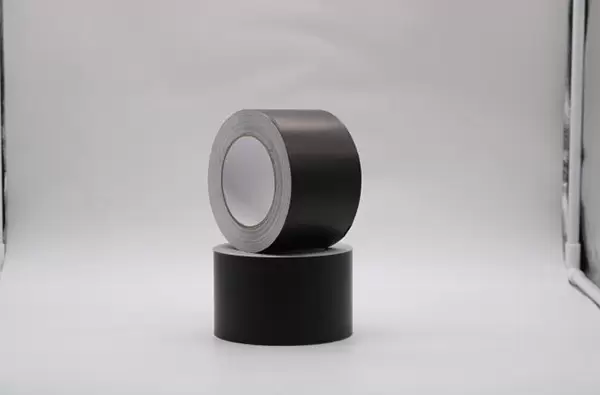
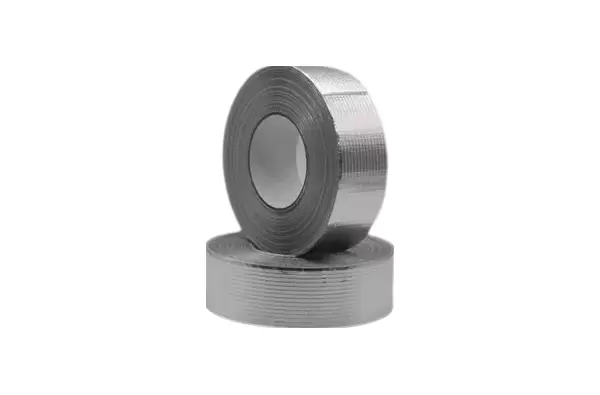
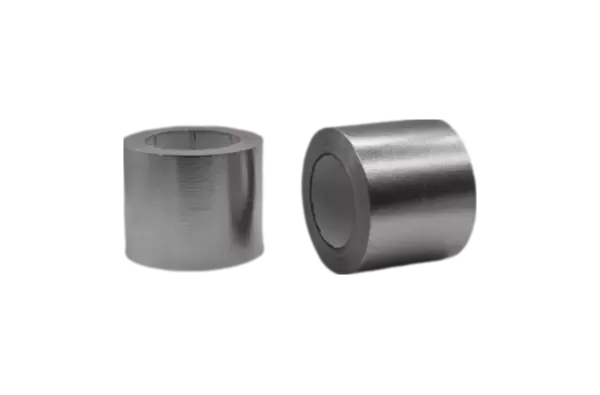
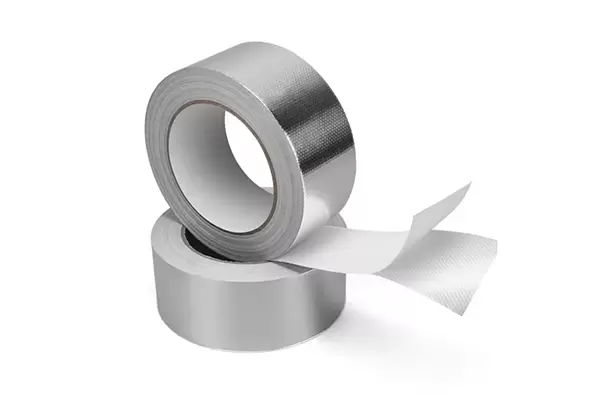
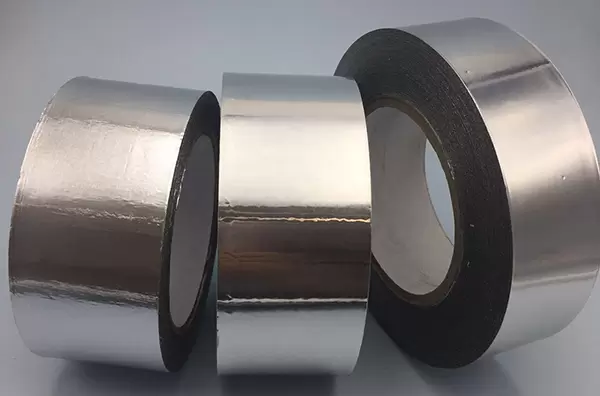
Fiberglass Cloth Aluminum Foil Tape is designed for applications where ordinary foil tape may not offer enough strength, heat stability, or flame-retardant performance. It is made from a fiberglass cloth substrate laminated with aluminum foil on one or both sides, coated with high-performance pressure-sensitive adhesive, and lined with release paper or film. This composite structure gives the tape a practical combination of heat resistance, tear resistance, surface sealing, and flame-retardant potential.
For fireproof sealing work, the value of this tape is not only in the aluminum foil surface. The fiberglass reinforcement and adhesive selection are what make it suitable for demanding sealing points such as firewall gaps, ventilation duct joints, cable penetration holes, and high-temperature cable channels.
Why Fireproof Sealing Needs Reinforced Foil Tape
In many projects, sealing materials are applied after the main structure has already been built. Workers may need to seal narrow gaps, cover uneven joints, wrap cable openings, or reinforce corners around ventilation ducts. These areas are not always flat or easy to access.
Standard aluminum foil tape can work for light sealing, but it may tear during installation when pulled across rough surfaces or pressed around edges. Once a tape tears, wrinkles badly, or loses contact with the surface, the sealing effect becomes less reliable.
Fiberglass Cloth Aluminum Foil Tape solves this issue by adding a fiberglass cloth layer to the aluminum foil. The fiberglass reinforcement gives the tape better tensile strength and tear resistance, helping it stay intact during application. This is especially important when the tape is used across irregular gaps, around cable openings, or along duct joints where installers need to press, bend, and shape the material.
In fireproof sealing, material strength matters because the tape must remain stable not only during installation, but also during long-term service.
Sealing Firewall Gaps and Structural Openings
Firewall gaps are common in industrial buildings, equipment rooms, mechanical areas, and internal partition systems. These gaps may appear around panel joints, access openings, service passages, and connection points between different materials.
A fireproof sealing tape used in these areas should provide several functions. It should help cover the gap, reduce direct air movement, resist tearing during installation, and remain stable under elevated temperatures. When used with flame-retardant adhesive, Fiberglass Cloth Aluminum Foil Tape offers better fire resistance than standard aluminum foil tape.
The aluminum foil layer forms a surface barrier, while the fiberglass cloth helps reinforce the tape body. This makes it suitable for sealing narrow firewall gaps and reinforcing weak edges where ordinary tape may break too easily.
It should be noted that tape is usually part of a wider sealing or protection system. For critical fire-rated structures, it should be selected and installed according to the project’s fire safety requirements. However, as a reinforced sealing material, fiberglass cloth aluminum foil tape can help improve the integrity of gap treatment in high-temperature and fire-sensitive areas.
Ventilation Duct Joint Sealing in High-Temperature Areas
Ventilation duct systems often include long seams, elbows, branch connections, flanges, and access covers. In ordinary HVAC work, standard foil tape may be enough for general air sealing. But in high-temperature zones or areas requiring better flame-retardant performance, a stronger tape may be needed.
Fiberglass Cloth Aluminum Foil Tape is suitable for sealing ventilation duct joints where heat resistance and mechanical strength are both important. The product is designed for long-term use in a temperature range from -30°C to 200°C, making it more suitable for demanding duct environments than light-duty sealing tapes.
For duct joint sealing, the tape helps close small gaps and reduce air leakage around connection points. The aluminum foil surface provides a protective outer layer, while the fiberglass cloth reinforcement reduces the risk of tearing when the tape is applied over sharp edges, screw points, or uneven seams.
In areas where flame-retardant adhesives are required, the tape can provide improved fire resistance compared with standard aluminum foil tapes. This makes it useful for ventilation systems in equipment rooms, production areas, transport interiors, and other locations where duct sealing must remain stable under heat.
Cable Penetration Hole Sealing
Cable penetration holes are another important fireproof sealing point. Cables often pass through walls, panels, partitions, equipment cabinets, and cable trays. If the area around the cable is left open or loosely sealed, it can become a pathway for air, dust, smoke, and heat movement.
Fiberglass Cloth Aluminum Foil Tape can be used to seal and reinforce cable penetration areas, especially where the opening is exposed to heat or requires better mechanical protection. Its reinforced structure makes it easier to wrap or patch around cable holes without tearing.
The fiberglass cloth layer improves durability, while the aluminum foil surface helps create a cleaner sealing surface. When paired with a suitable flame-retardant adhesive, the tape can support fire protection work in cable channels and high-temperature zones.
This is particularly useful in applications where cables are installed in compact spaces and the sealing material must conform to irregular shapes. The tape can be pressed around edges, overlapped over small gaps, or combined with other fireproof sealing materials as part of a more complete protection system.
Fire Protection in Cable Channels
Cable channels in high-temperature zones require careful material selection. Heat, vibration, maintenance movement, and limited installation space can all affect the performance of sealing materials. A tape used in cable channels needs to resist tearing, hold its position, and keep a stable surface after application.
Fiberglass Cloth Aluminum Foil Tape is useful in these environments because it has stronger mechanical properties than standard aluminum foil tape. The fiberglass reinforcement helps the tape resist pulling and tearing, while the PSA coating supports direct application to suitable surfaces.
In cable channels, the tape may be used for local sealing, surface covering, edge protection, or reinforcement of joints. In ships, high-speed rail cabins, equipment compartments, and other enclosed technical areas, flame-retardant sealing materials can help improve the safety and stability of cable routing spaces.
The product’s enhanced flame-retardant performance depends on adhesive selection. For projects where fire resistance is a priority, flame-retardant adhesive versions should be considered.
Why Adhesive Type Matters in Fireproof Sealing
The performance of fiberglass cloth aluminum foil tape is not only determined by the aluminum foil and fiberglass cloth. The adhesive system is also important.
This product can be supplied with different adhesive types, including flame-retardant, solvent-based, and water-based options. For fireproof sealing applications, flame-retardant adhesive is especially important because it helps improve fire resistance compared with standard aluminum foil tapes.
Adhesive selection should be based on the actual use environment. For example, a duct joint in a general mechanical room may require different bonding performance from a cable channel in a high-temperature compartment. Surface material, temperature exposure, installation pressure, and required service life should all be considered.
For project users, it is also important to check shelf life. Water-based and flame-retardant adhesive versions should be used within 6 months under proper storage conditions, while solvent-based versions can have a shelf life of 12 months.
Mechanical Strength for Difficult Sealing Points
Fireproof sealing often involves difficult shapes. Installers may need to seal around corners, cable bundles, duct edges, wall penetrations, and narrow gaps. These areas can put stress on the tape during application.
The fiberglass reinforcement gives the tape stronger tensile strength and tear resistance. Product data shows listed tensile strength values of ≥100 N/cm for available structures, which supports more reliable handling during demanding sealing work.
This strength is useful when the tape must be pulled into position, pressed along uneven edges, or overlapped across a gap. A stronger tape helps reduce breakage during installation and creates a more stable finished surface.
For contractors and manufacturers, this can reduce rework and material waste. More importantly, it helps keep the sealed area more consistent after installation.
Suitable Storage Before Use
To maintain stable adhesive performance, Fiberglass Cloth Aluminum Foil Tape should be stored in a cool, dry environment at room temperature. The recommended storage range is -5°C to 40°C, with relative humidity below 80% RH. Direct sunlight and heat sources should be avoided.
Storage control is especially important for flame-retardant and water-based adhesive versions, which have a shelf life of 6 months. Solvent-based versions have a longer shelf life of 12 months when stored correctly.
For projects involving fireproof sealing, material condition before installation should not be ignored. A tape that has been stored improperly may not deliver the expected bonding performance, even if the structure itself is suitable.
A Reinforced Tape for Safer Sealing Details
Fireproof sealing is about protecting weak points. Gaps, joints, penetrations, and cable routes are often where air, dust, heat, and smoke movement can occur. These details need materials that are easier to apply, strong enough to resist tearing, and stable enough for high-temperature environments.
Fiberglass Cloth Aluminum Foil Tape provides a practical solution for these sealing needs. With aluminum foil for surface protection, fiberglass cloth for mechanical strength, and flame-retardant adhesive options for improved fire resistance, it is well suited for firewall gaps, ventilation duct joints, cable penetration holes, and high-temperature cable channels.
For industrial, transportation, and equipment-related sealing projects, this reinforced foil tape offers a more durable alternative to standard aluminum foil tape in areas where fireproof sealing performance matters.
 WhatsApp