In high-temperature insulation projects, the finishing material is often just as important as the insulation layer itself. Boilers, steam pipelines, hot air ducts, drying systems, and industrial heating equipment all need insulation materials that can stay stable under heat, protect the surface, and reduce unnecessary energy loss.

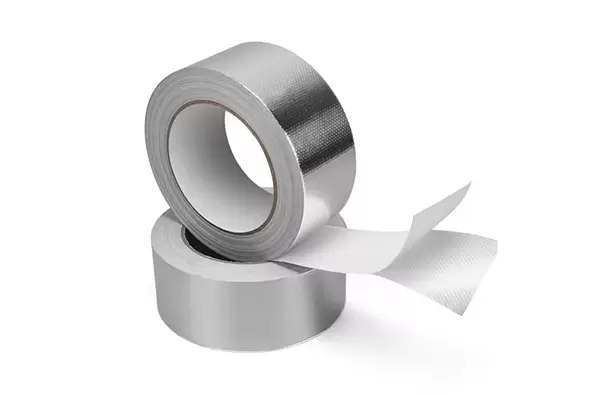
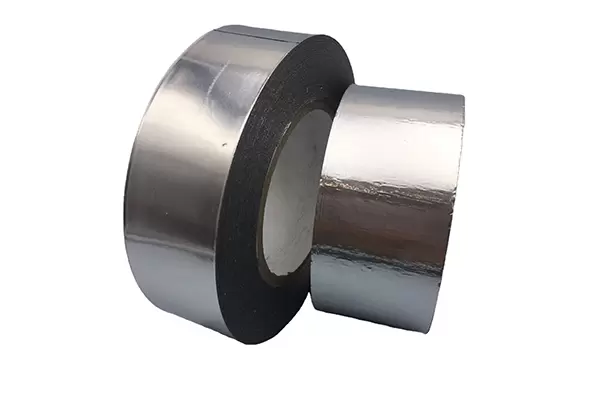
This is where Fiberglass Cloth Aluminum Foil Tape becomes a practical choice. It is not the same as standard aluminum foil tape used for light sealing or general HVAC repair. This tape is made with a fiberglass cloth substrate laminated with aluminum foil on one or both sides, then coated with high-performance pressure-sensitive adhesive and protected with release paper or film. The result is a reinforced foil tape designed for high-temperature wrapping, insulation layer fixing, seam sealing, and surface protection.
For facilities that work with heat every day, this type of tape offers a useful balance of heat reflection, mechanical strength, and long-term application stability.
Why High-Temperature Insulation Wrapping Needs Reinforced Tape
Industrial heat systems are rarely smooth, clean, or easy to wrap. Steam pipelines may run through narrow equipment areas. Hot air ducts may include elbows, flanges, joints, and access points. Boiler insulation may need outer fixing and seam sealing in areas exposed to vibration, temperature changes, and maintenance activity.
In these conditions, ordinary foil tape may not always be enough. Thin aluminum foil tape can wrinkle, tear, or lose shape during installation, especially around corners and uneven surfaces. If the tape breaks during wrapping or cannot hold the insulation edge securely, the final insulation layer may have exposed seams, loose edges, or weak protection points.
Fiberglass Cloth Aluminum Foil Tape solves this problem by adding fiberglass reinforcement behind the aluminum foil layer. The aluminum foil helps reflect heat and protect the insulation surface, while the fiberglass cloth improves tensile strength and tear resistance. This structure makes the tape more suitable for high-temperature equipment wrapping where strength and stability are required at the same time.
Designed for Long-Term Use from -30°C to 200°C
Temperature resistance is one of the key reasons manufacturers and insulation contractors choose fiberglass cloth aluminum foil tape. According to the product specification, it is suitable for long-term use within a temperature range of -30°C to 200°C.
This range makes it useful for many thermal insulation wrapping applications, including steam pipelines, hot air ducts, boiler insulation layers, heating equipment shells, and other industrial systems where surface temperatures may change during operation and shutdown cycles.
A tape used in these areas should not only tolerate heat for a short time. It should remain stable during repeated heating and cooling. In real working environments, equipment may be started, stopped, inspected, cleaned, or repaired. The tape must keep its structure and bonding performance through these changes.
The fiberglass cloth base helps the tape resist deformation, while the aluminum foil surface supports heat reflection and surface protection. Together, they make the tape more dependable than standard light-duty foil tape in high-temperature wrapping work.
Reducing Heat Loss Around Pipes and Ducts
One major purpose of insulation wrapping is to reduce heat loss. In steam pipelines and hot air ducts, energy can escape through exposed gaps, weak joints, and poorly sealed insulation edges. Even when the main insulation material is properly installed, open seams or damaged surface layers can reduce the system’s overall efficiency.
Fiberglass Cloth Aluminum Foil Tape helps close these weak points. It can be applied over insulation seams, pipe wrapping overlaps, duct joints, and edge areas to create a more continuous protective surface. The aluminum foil face helps reflect radiant heat, while the reinforced backing helps keep the tape stable during installation and service.
For hot air ducts, this can help maintain more consistent air temperature inside the ductwork. For steam pipelines, it can help protect the insulation layer and reduce unnecessary surface heat loss. For boiler-related areas, it can be used as a wrapping and fixing material where both temperature resistance and tear resistance are needed.
The tape does not replace the main insulation material, but it helps the insulation system work more completely.
Better Tear Resistance During Installation
Installation is one of the most overlooked parts of insulation performance. A material may look good on paper, but if it tears easily during wrapping, folds badly around corners, or cannot hold its shape, it can create problems before the equipment even starts running.
The fiberglass cloth reinforcement gives this tape higher tensile strength and stronger resistance to tearing. Product parameters show tensile strength values reaching ≥100 N/cm in the listed structures, which is important for demanding wrapping and fixing work.
This strength matters in several practical situations:
Wrapping around pipe elbows and curved duct sections
Fixing insulation blankets or outer layers
Sealing long seams on hot air ducts
Working around flanges, joints, and uneven surfaces
Applying tape in areas where workers need to pull and press the material during installation
With stronger reinforcement, the tape is less likely to break during handling. This helps improve installation efficiency and reduces waste caused by torn or damaged tape.
A Stronger Surface Finish for Insulation Layers
In many insulation projects, the outer surface needs to do more than look clean. It needs to protect the insulation layer from dust, air movement, moisture, and mechanical wear. For high-temperature equipment, the outer wrap also helps keep the insulation material in place.
Fiberglass Cloth Aluminum Foil Tape provides a stronger surface finish because it combines aluminum foil protection with fiberglass cloth strength. When applied over insulation seams or edges, it helps create a more secure finish compared with standard foil tape.
For steam pipelines and hot air ducts, this can make routine inspection and maintenance easier. A clean and stable outer surface helps workers identify damaged areas more quickly. It also reduces the chance that exposed insulation fibers or loose edges will interfere with nearby equipment.
For industrial users, this kind of practical stability is often more valuable than a simple “high temperature” label.
Flame-Retardant Adhesive Options for Safer High-Temperature Areas
Some high-temperature insulation areas also require better flame retardancy. When fiberglass cloth aluminum foil tape is combined with flame-retardant adhesive, it can offer stronger fire resistance than standard aluminum foil tape.
This is useful for areas near heating equipment, boiler rooms, hot air ducts, and high-temperature zones where fire safety requirements are stricter. The tape can help seal and fix insulation layers while supporting a safer surface structure.
Different adhesive systems are available according to application needs, including flame-retardant, solvent-based, and water-based options. Each adhesive type has its own performance and shelf-life considerations. For example, water-based and flame-retardant adhesive versions are recommended for use within 6 months, while solvent-based versions can have a shelf life of 12 months under proper storage conditions.
For project selection, the adhesive should be chosen according to the working temperature, surface material, flame-retardant requirement, and expected service environment.
Choosing the Right Structure for the Application
Fiberglass cloth aluminum foil tape can be supplied in different structures and specifications. The product data includes aluminum thickness options such as 6 μm, 8 μm, and 16 μm, as well as fiberglass fabric areal weights from 75 g/㎡ to 210 g/㎡. Available liner materials include kraft paper, white paper, PET, and glassine paper.
These options matter because different insulation projects have different requirements.
For lighter pipe wrapping or seam sealing, a thinner aluminum layer and moderate fiberglass weight may be enough. For stronger industrial wrapping, higher fiberglass fabric weight and thicker aluminum foil may provide better durability. For large-area application or production use, wider roll formats may support better working efficiency.
Before choosing a specification, buyers should consider:
Operating temperature range
Pipe or duct surface shape
Required tensile strength
Flame-retardant needs
Indoor or semi-exposed environment
Adhesive type
Roll width and length
Liner preference for cutting and handling
A suitable specification can help the tape perform better in actual installation instead of only meeting a general product description.
Storage Conditions That Protect Tape Performance
Proper storage is important for pressure-sensitive adhesive tapes, especially when they are used in industrial insulation projects. Fiberglass Cloth Aluminum Foil Tape should be stored in a cool and dry environment at room temperature. Recommended storage conditions are from -5°C to 40°C, with relative humidity below 80% RH.
The tape should also be kept away from direct sunlight and heat sources. Poor storage may affect adhesive stability, liner release, or application performance before the product is used.
For contractors and factories that purchase tape in batches, storage control helps keep quality consistent between projects. It is also important to follow the shelf-life guidance: 6 months for water-based and flame-retardant adhesive versions, and 12 months for solvent-based versions.
A Practical Reinforced Tape for High-Temperature Insulation Work
High-temperature insulation wrapping requires materials that can handle more than heat. The tape must resist tearing, stay stable during installation, support seam sealing, and help protect the insulation layer over time.
Fiberglass Cloth Aluminum Foil Tape is designed for this kind of work. The aluminum foil layer reflects heat and protects the surface, while the fiberglass cloth reinforcement improves strength and durability. With suitable adhesive options, liner choices, and roll specifications, it can be adapted for boilers, steam pipelines, hot air ducts, and other high-temperature insulation wrapping applications.
For industrial insulation projects where ordinary foil tape may tear too easily or lack long-term stability, fiberglass cloth aluminum foil tape provides a stronger and more reliable solution.
 WhatsApp