In refrigerator and freezer manufacturing, thermal insulation is not decided by one material alone. A good cabinet structure depends on how metal panels, condenser pipes, foam insulation, sealing materials, and adhesive tapes work together after assembly. Once the polyurethane foam is injected into the cabinet, every hidden detail inside the structure can affect insulation performance, long-term stability, and production consistency.
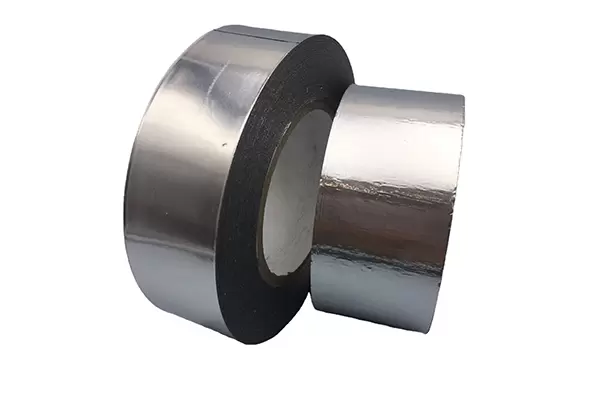
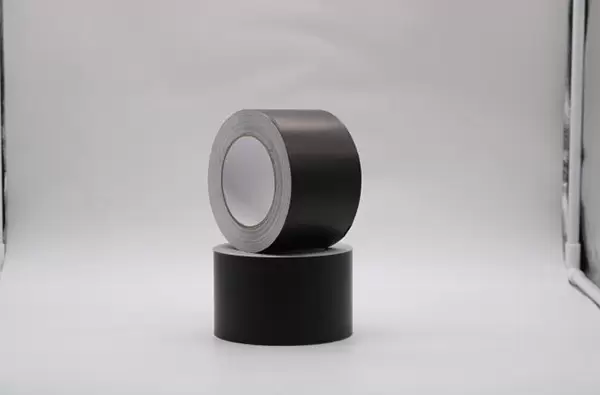
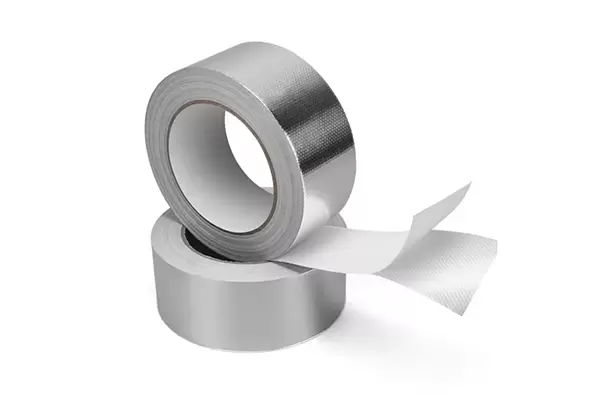
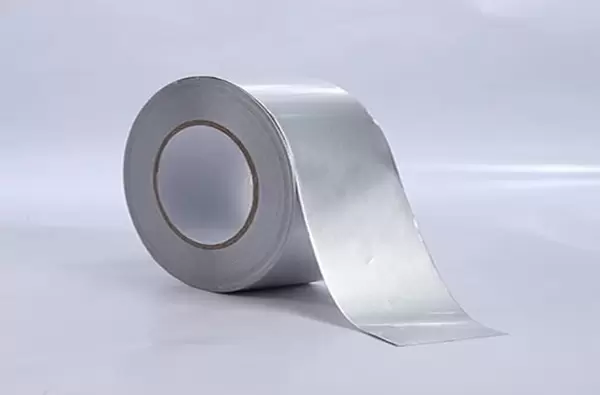
This is why PU Foam-Bondable Liner-Free Aluminum Foil Tape is widely used in refrigeration systems. It is not a general-purpose foil tape for surface repair. It is designed for applications where aluminum foil tape needs to bond securely with injected PU foam while also protecting condenser pipes, panels, and internal insulation areas.
For refrigerator and freezer manufacturers, this type of tape offers a practical way to improve sealing, reduce air and moisture intrusion, and support a more complete thermal isolation structure between the inner and outer compartments.
Why Refrigeration Systems Need More Than Ordinary Foil Tape
Refrigerators and freezers are exposed to continuous temperature differences. The inner compartment must stay cold, while the outer shell remains exposed to room temperature. Between these two areas, injected PU foam plays a key insulation role.
However, before the foam is injected, different internal parts need to be positioned and protected. Condenser pipes, cabinet panels, joints, and structural areas may all require adhesive support. If the tape does not bond well with the foam or fails during production, the insulation layer may become less consistent.
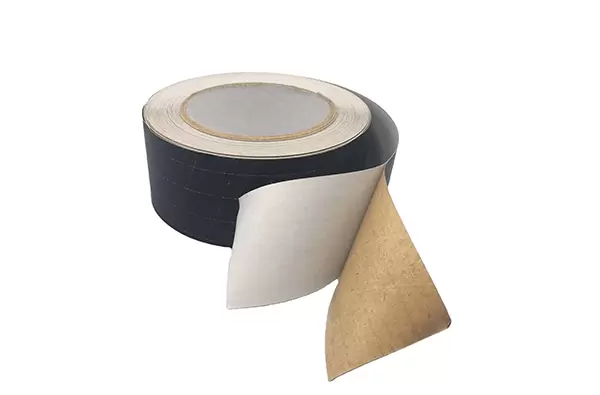
Ordinary aluminum foil tape can provide surface bonding and some heat reflection, but it may not be suitable for direct bonding with PU foam during the foaming process. In contrast, PU Foam-Bondable Aluminum Foil Tape is made for this specific production environment. Its backside uses a special release layer that can thermally bond with PU foam, while the front side is coated with a rubber-based pressure-sensitive adhesive.
This structure gives the tape a dual function: it can be applied easily during assembly, and then work with the PU foam to form a more stable insulation system after foaming.
How the Tape Works During Refrigerator Production
In a typical refrigerator or freezer cabinet, the tape may be used to fix and protect condenser pipes or cover specific panel areas before PU foam injection. During production, the tape needs to stay in place, resist breakage, and maintain stable contact with the surface.
When PU foam is injected and cured, the foam expands into the cabinet cavity. The PU foam-bondable release layer on the tape allows the foam to bond with the aluminum foil tape surface. This helps reduce separation between the tape and the foam layer, making the insulation structure more complete.
This is important because small gaps, weak bonding areas, or loose materials can create hidden problems inside the cabinet. Over time, poor bonding may affect insulation efficiency or material stability. A tape that can work directly with injected PU foam helps manufacturers build a cleaner and more reliable internal structure.
Supporting Complete Thermal Isolation
The main purpose of refrigerator insulation is to reduce heat transfer from the outside to the inside. In this process, PU foam and aluminum foil play different but complementary roles.
PU foam helps block heat conduction. It fills the internal space of the cabinet and creates a thick insulation layer. Aluminum foil, on the other hand, provides heat-reflective performance. When used together, they help reduce both conductive heat transfer and radiant heat influence.
PU Foam-Bondable Aluminum Foil Tape combines these two advantages in a practical production form. The aluminum foil layer helps reflect radiant heat, while the tape’s bonding design allows it to integrate with the PU foam insulation system. This makes it suitable for refrigerators, freezers, cold storage equipment, and other insulated cabinet structures.
For manufacturers trying to improve cabinet insulation consistency, the tape is not just an accessory. It becomes part of the insulation design.
Protection for Condenser Pipes and Panels
Condenser pipes and internal panels are important areas in refrigerator and freezer assembly. These parts may need to be held in place before foaming and protected after the cabinet is formed.
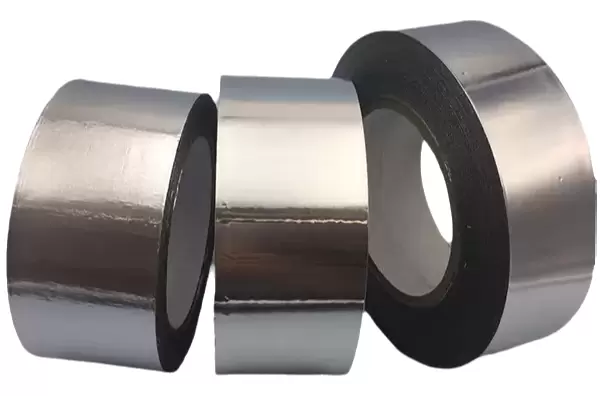
PU Foam-Bondable Aluminum Foil Tape can help secure these areas before PU foam injection. Once the foam is introduced, the tape surface can bond with the foam layer, helping keep the pipe or panel area more stable inside the cabinet structure.
This is especially useful in production where vibration, foam expansion pressure, and handling may affect component positioning. A tape with good adhesion and foam-bonding performance can reduce the risk of movement or separation during manufacturing.
It also helps create a barrier against air, moisture, and dust particles. For refrigeration systems, this barrier function is important because internal moisture or air leakage can reduce long-term reliability.
The Advantage of a Liner-Free Design
Liner-free aluminum foil tape can bring practical advantages to refrigerator and freezer production lines. Since there is no release paper to remove during application, workers or automated equipment can apply the tape more efficiently.
This can reduce waste from discarded liners and simplify the production process. In high-volume appliance manufacturing, even a small improvement in handling can make the assembly process cleaner and more consistent.
A liner-free structure is also easier to use in continuous taping operations. For long cabinet sections, pipe areas, or panel edges, the tape can be applied without the extra step of peeling and managing backing paper.
For factories, this means faster operation, less material waste, and fewer interruptions during production.
Improved Durability for Demanding Applications
Refrigerator and freezer cabinets go through different stages during production, including material handling, taping, foam injection, curing, and final assembly. The tape must remain stable through these steps.
When the PU foam-bondable release layer is used on BOPP or PE-laminated aluminum foil tapes, it can improve durability in several ways. It helps increase flexibility, reduces the risk of tape breakage during application, and improves resistance to acid and alkali corrosion.
This is useful for cabinet structures with corners, curves, or uneven areas where ordinary foil tape may be easier to tear or wrinkle. Better flexibility allows the tape to follow the surface more smoothly, while stronger durability supports more stable production quality.
For refrigeration manufacturers, these details matter because the tape is often hidden inside the finished product. Once the cabinet is sealed, repair or replacement is difficult. Choosing a more durable material at the production stage helps reduce potential quality risks later.
Key Benefits for Refrigerators and Freezers
For refrigeration systems, PU Foam-Bondable Aluminum Foil Tape offers several important benefits:
Bonds securely with injected PU foam
Helps protect condenser pipes and panel areas
Improves sealing against air, moisture, and dust
Supports complete thermal isolation between inner and outer compartments
Combines aluminum foil heat reflection with PU foam insulation
Reduces liner waste and improves production efficiency
Offers better flexibility and breakage resistance when laminated structures are used
Supports consistent application in appliance manufacturing lines
These advantages make the tape especially suitable for refrigerator cabinets, freezer cabinets, insulated panels, and other refrigeration-related structures where PU foam bonding is required.
Storage and Handling Considerations
To keep the tape in stable condition before use, proper storage is also important. It should be stored in a cool and dry environment at room temperature. Recommended storage conditions are from -5°C to 40°C, with relative humidity below 80% RH. Direct sunlight and exposure to heat sources should be avoided.
For appliance factories, controlled storage helps maintain adhesive performance and reduces the risk of material changes before production. This is especially important when tape rolls are stored in bulk or used across different production batches.
A Practical Tape Solution for Modern Refrigeration Manufacturing
As refrigerators and freezers become more energy-efficient and structurally refined, internal materials must meet higher production and performance requirements. A tape used inside the cabinet is no longer only expected to stick. It must support insulation, sealing, protection, and process efficiency at the same time.
PU Foam-Bondable Aluminum Foil Tape is designed for this kind of application. By bonding with injected PU foam, protecting condenser pipes and panels, and improving the continuity of the insulation layer, it provides a reliable material solution for refrigerator and freezer manufacturing.
For manufacturers looking for a tape that can support both production efficiency and long-term insulation performance, PU Foam-Bondable Liner-Free Aluminum Foil Tape is a practical choice for modern refrigeration systems.

 WhatsApp