When aluminum foil tape is purchased for industrial sealing, insulation, HVAC, refrigeration, or fire-protection applications, the adhesive performance is only part of the decision. Storage and handling also have a direct impact on whether the tape can be used efficiently after delivery. For many applications, an aluminum foil tape with a release paper liner provides practical advantages that liner-free tape cannot offer.
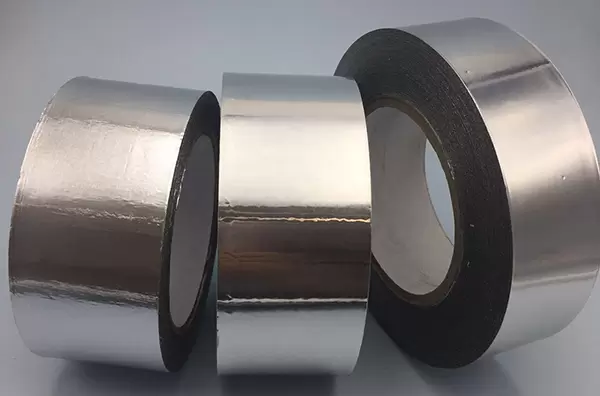
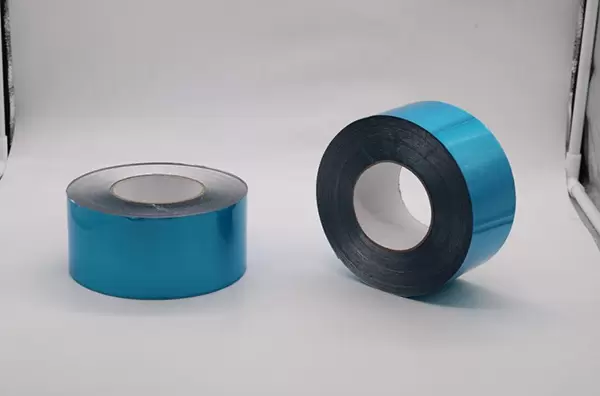
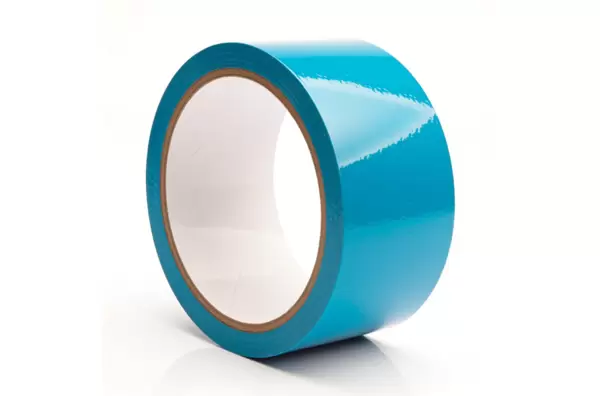
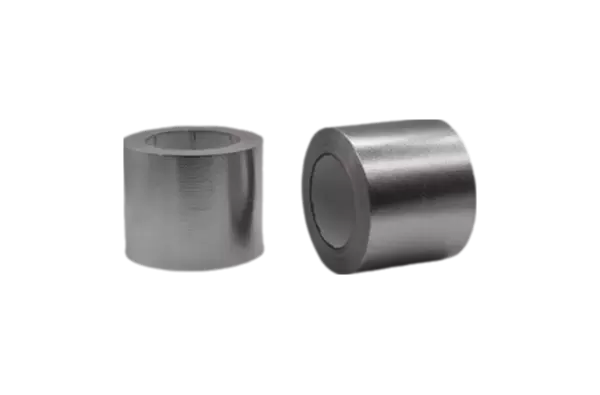
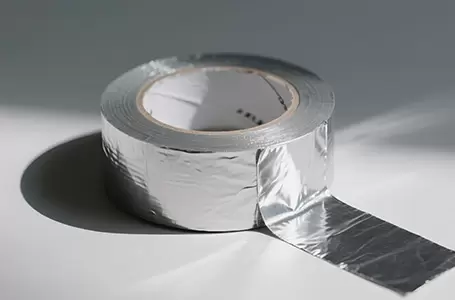
Aluminum Foil Tape with Release Paper Liner is constructed with aluminum foil as the primary substrate, a pressure-sensitive adhesive layer, and a release-treated backing material. This structure makes the tape easier to handle, protect, store, and convert before final application.
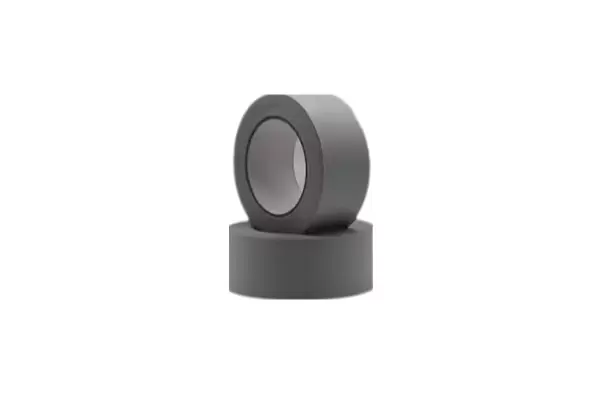
Why a Release Liner Matters During Storage
Liner-free aluminum foil tape can be convenient for some fast application processes, but it requires careful handling. The exposed adhesive surface may come into contact with packaging materials, dust, tools, or other surfaces during transportation and storage. Compression can also affect the roll structure if the tape is not properly protected.
A release paper liner creates a physical barrier over the adhesive. This helps keep the adhesive surface clean until the tape is ready for use. It also makes individual tape rolls easier to handle when workers need to move, cut, slit, or position the material.
For distributors and industrial users who keep tape in inventory for months, this difference can be important. A protected adhesive surface helps reduce unnecessary handling problems and makes the material more convenient to prepare for production.
The liner also helps maintain the physical form of the tape during storage. Compared with liner-free products, the tape is less prone to deformation or damage caused by compression when properly packaged and stored.
Better Handling for Industrial Applications
In actual production environments, aluminum foil tape is rarely applied under ideal laboratory conditions. Workers may need to cut sections, prepare seams, seal insulation, or apply tape inside equipment where precise positioning is important.
A release liner allows the adhesive side to remain covered while the tape is being measured and positioned. The operator can remove the liner immediately before application, reducing the chance of accidental adhesion.
This is particularly useful when the tape is used for narrow joints, irregular surfaces, or areas where alignment matters. Instead of dealing with an exposed adhesive layer throughout the preparation process, the worker can first position the foil tape and then expose the adhesive when needed.
For manufacturers buying aluminum foil tape in larger rolls, the liner can also simplify downstream slitting and converting operations. The backing material provides additional support to the tape structure, helping maintain roll integrity during handling.
Aluminum Foil Provides More Than a Metal Appearance
The aluminum foil substrate is an important part of the tape's performance. Aluminum has good resistance to temperature changes, UV exposure, and aging, making aluminum foil tape suitable for demanding indoor and outdoor applications.
Another useful characteristic is thermal conductivity. Because the tape uses a metal substrate, it can support heat-transfer-related applications where the properties of aluminum are beneficial.
The material also has inherent flame-resistant characteristics. When a flame-retardant adhesive formulation is selected, the overall tape can provide enhanced fire-resistant performance for applications requiring greater protection against flame propagation.
These characteristics make Aluminum Foil Tape with Release Paper Liner suitable for applications where both adhesive performance and the physical properties of aluminum are important.
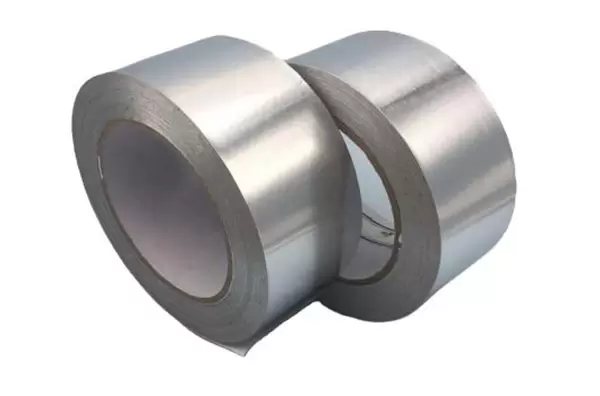
Applications in Refrigeration and HVAC
Refrigeration systems are one of the practical application areas for this type of aluminum foil tape. The tape can be used for long-term thermal insulation and sealing around evaporators, condenser pipelines, and cooling-system components in refrigerators and freezers.
The release liner is useful during installation because workers can prepare the required tape length before removing the protective backing. This is especially convenient when sealing insulation materials or joining sections where accurate placement is required.
HVAC and plumbing applications are another important area. Aluminum foil tape can be used for sealing air-conditioning ducts, water heaters, and thermal pipelines. Its resistance to temperature variation and aging supports long-term service, while the liner makes installation easier on the job site.
For ductwork, clean application is particularly important. Dust or contamination on an exposed pressure-sensitive adhesive can reduce the effectiveness of the bond. Keeping the adhesive covered until application helps minimize this risk.
Fire Protection Applications in Transportation
Aluminum foil tape can also be used in transportation-related fire-protection applications, including cable protection and insulation-related sealing in high-speed rail and subway carriages.
Where a flame-retardant adhesive version is specified, the tape can be used for fire-resistant sealing of duct joints and insulation cotton seams. The purpose is not simply to cover a joint, but to help create a more continuous protective structure and suppress the spread of fire through vulnerable seams.
The exact adhesive selection should always be matched with the project's fire-safety requirements. Water-based, solvent-based, rubber, and flame-retardant adhesive systems provide different performance characteristics, so the correct specification should be selected according to the application environment.
Choosing the Right Adhesive and Liner
Not every aluminum foil tape application requires the same adhesive system. The available configurations include water-based, solvent-based, rubber, and flame-retardant adhesive options.
For example, the supplied technical specifications include 90 μm total-thickness water-based tape with white paper liner, 150 μm flame-retardant tape with kraft paper liner, 140 μm rubber adhesive tape with white paper liner, and 180–200 μm solvent-based versions using yellow paper or glassine paper liners.
Peel strength also varies by specification. Depending on the construction, the listed 180° peel strength ranges from at least 4 N/cm to 7.5 N/cm, while initial tack is listed at ≥15# and holding power at ≥24 hours for the specified products.
These differences matter because an HVAC duct, refrigeration component, insulation seam, and transportation fire-protection application may have completely different requirements. Selecting tape based only on aluminum thickness or total thickness can result in an unsuitable product.
A professional manufacturer should therefore evaluate the substrate, adhesive, liner, operating temperature, installation method, and required mechanical performance together.
Why Manufacturing Experience Matters
The quality of aluminum foil tape depends on more than the raw materials. Coating accuracy, slitting precision, adhesive formulation, liner selection, and production control all affect the final product.
Jiangyin Biaotie Material Factory Co., Ltd has been focused on tape manufacturing since 1980, with a production facility covering approximately 15,000 square meters and annual aluminum foil tape production reaching about 20 million square meters.
With more than 25 years of international trade experience, the company has developed long-term customer relationships across Europe, Southeast Asia, Central Asia, and North America. Its approach is based on understanding how the finished tape will actually be used rather than simply supplying a standard specification.
This is important for customers operating in different climates. Temperature, humidity, UV exposure, and installation conditions can vary significantly between regions. Technical parameters can therefore be adjusted according to the customer's application environment.
Customization Beyond Standard Tape
Industrial buyers sometimes need more than a standard roll size. Width, length, aluminum foil thickness, adhesive formulation, liner type, and even printed identification may need to be adapted to a specific production process.
The supplied specifications include aluminum foil thickness tolerance of ±0.005 mm, total thickness tolerance of ±0.01 mm, width tolerance of ±0.5 mm, and length tolerance of ±0.2 m. Special versions can also include printed logos or other customized configurations.
For OEM and industrial projects, this flexibility can reduce unnecessary processing after delivery. Instead of purchasing a generic tape and modifying it extensively, customers can discuss their actual application requirements with the manufacturer and determine a more suitable construction.
Aluminum Foil Tape with Release Paper Liner is therefore not simply a tape with an extra paper layer. The liner is part of a practical product structure designed to improve storage, handling, positioning, and protection of the adhesive before application.
Proper Storage Extends Product Usability
Even a well-designed aluminum foil tape needs suitable storage conditions. The recommended storage environment is cool and dry, at room temperature from -5°C to 40°C, with relative humidity below 80% RH.
Direct sunlight and exposure to heat sources should be avoided. These conditions help protect the adhesive and backing materials during storage.
Shelf life depends on the adhesive system. Water-based and flame-retardant adhesive versions have a listed shelf life of six months, while solvent-based and rubber adhesive versions have a listed shelf life of twelve months under appropriate storage conditions.
For distributors, contractors, and industrial manufacturers, maintaining proper inventory conditions is just as important as choosing the right tape specification.
A Practical Choice for Protected Adhesive Handling
A release paper liner becomes particularly valuable when aluminum foil tape needs to be transported, stored, converted, or accurately applied before the adhesive is exposed. It protects the adhesive surface, improves roll handling, and reduces the risk of deformation or contamination during normal storage and preparation.
Combined with aluminum's temperature resistance, UV resistance, aging resistance, thermal conductivity, and inherent flame-resistant properties, the structure provides a practical solution for refrigeration, HVAC, insulation, and selected transportation fire-protection applications.
For buyers who need customized dimensions, adhesive systems, liner options, or application-specific recommendations, working directly with an experienced manufacturer can also make product selection more efficient.
With decades of manufacturing experience, international export experience, customized production capabilities, and a focus on long-term technical cooperation, Jiangyin Biaotie Material Factory Co., Ltd can support customers looking beyond a standard tape specification.
When storage protection, clean handling, reliable adhesion, and application performance all matter, Aluminum Foil Tape with Release Paper Liner offers a practical structure for industrial tape applications.

 WhatsApp